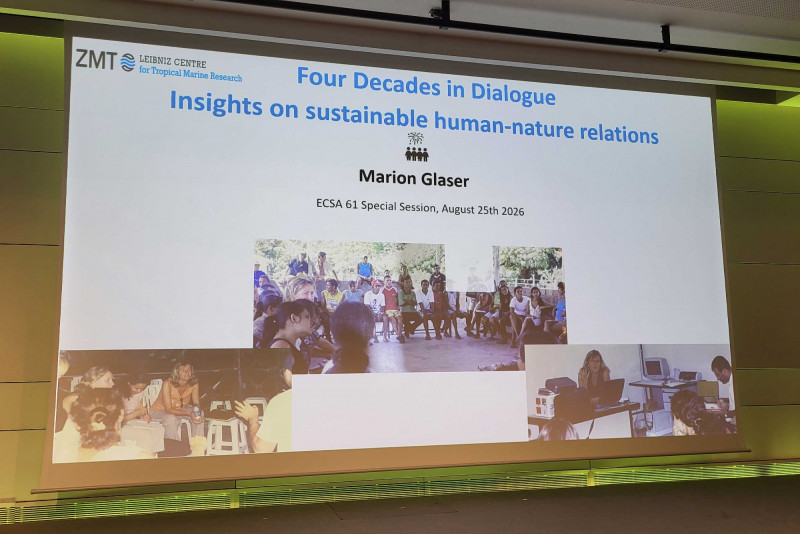


ECSA 61: International experts gathered in Brussels to bridge coastal science and policy
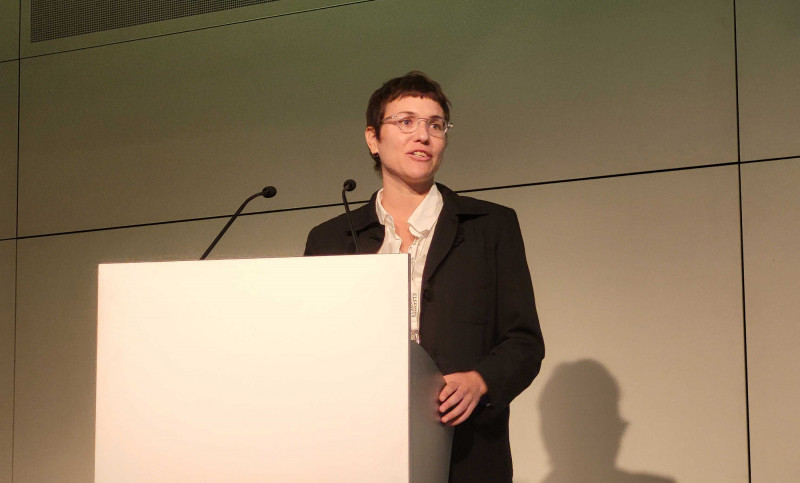
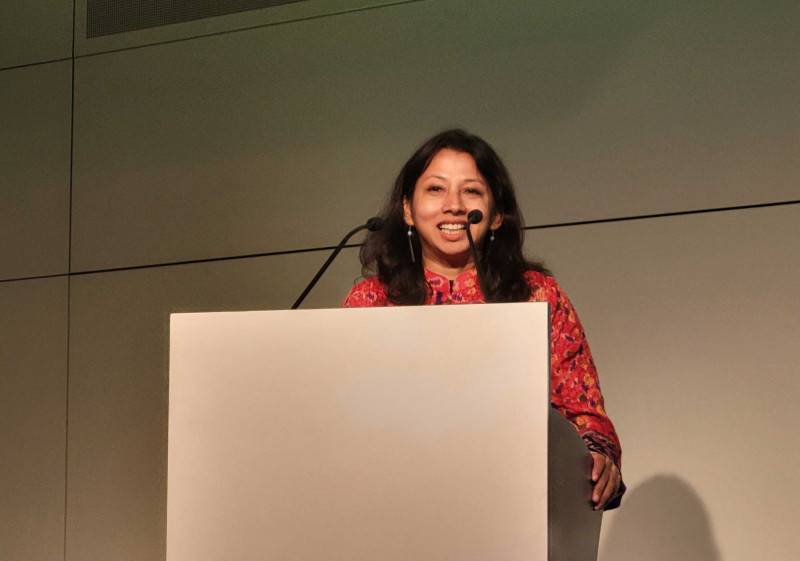
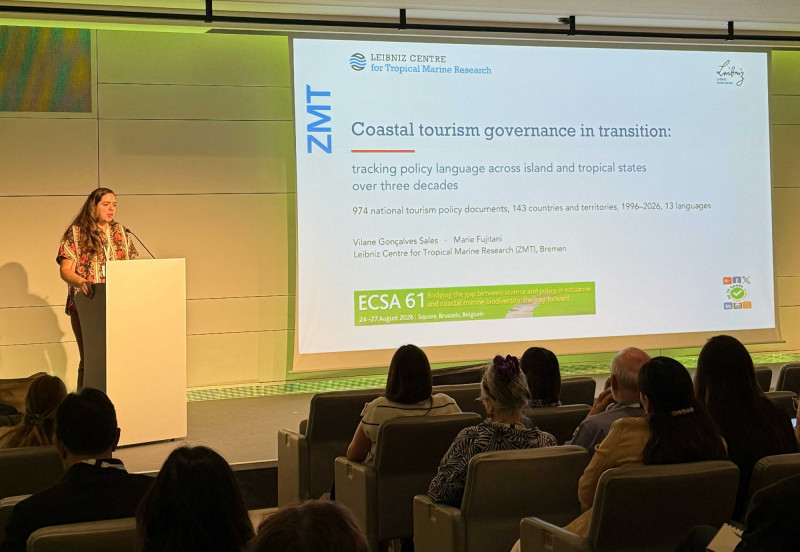
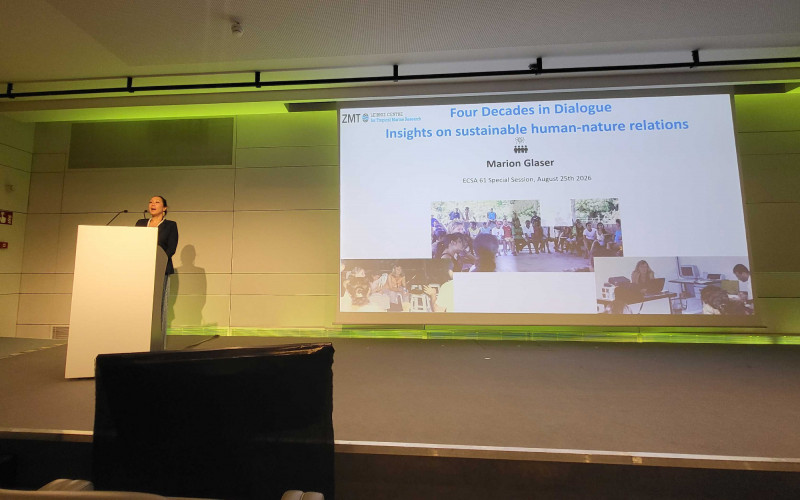
This year’s conference of the “Estuarine & Coastal Sciences Association “ - ECSA 61 - brought together marine and coastal scientists, environmental managers and international decision-makers in Brussels to exchange knowledge and address key issues in marine and coastal science and biodiversity conservation.
The conference offered technical sessions and workshops covering critical research topics on coastal dynamics and biodiversity, climate, biogeochemistry, as well as advanced, integrated approaches and management strategies such as toolboxes and decision support tools to enable managers to address compounding coastal and marine challenges more effectively in planning and implementation.
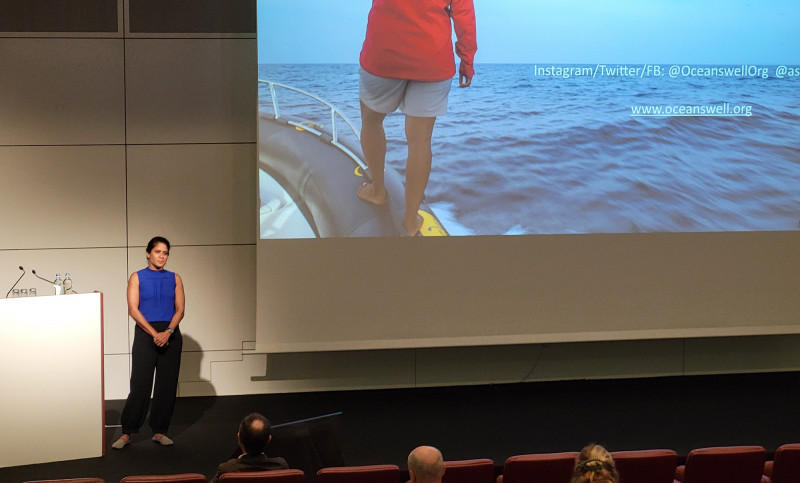
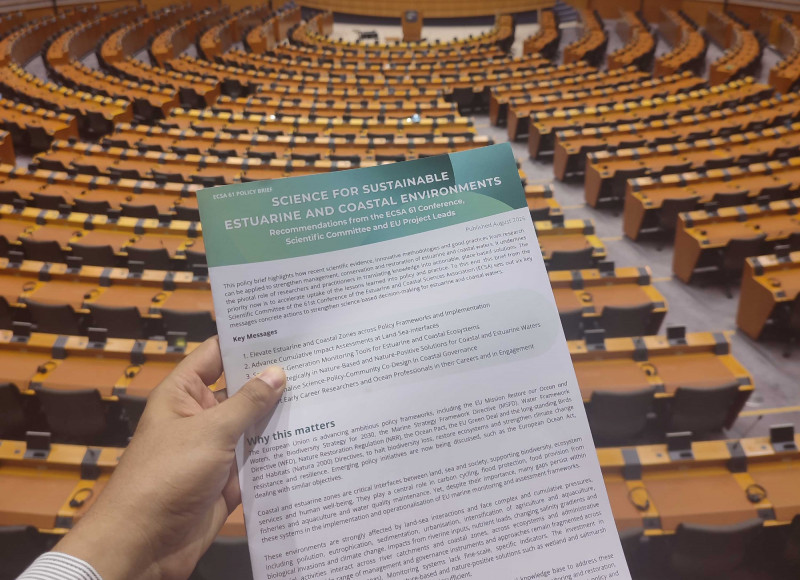
Science-Policy Day premieres at ECSA61
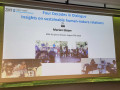
ECSA61 culminated with a dedicated Science-Policy Day, designed to bring knowledge producers, brokers, and users together for a deepened exchange and conversation on how to ensure a better uptake of scientific knowledge in political discourse and decision making.
The sessions made evident that institutional barriers still remain. Nevertheless, there is broad consensus among professionals that urgent advances are needed in marine management and conservation, particularly concerning improved capacities for knowledge translation and institutional support.
The way forward needs to bridge this gap and highlight that such challenges will not be solved by better communication, but rather by strong and competent authorities, a well-thought-out and forward-looking implementation, meaningful enforcement aimed to effectively protect social and environmental safeguards, feedback processes that enable continuous mutual learning and adaptation, as well as a design for political durability of these measures that allows them to not only be realized, but sustained over time.
Hence, important reflections and take-home messages for ZMT include:
Sarah Zwicker, Scientific Staff Member, Programme Area Coastal Resources and
Programme Area Coastal Transformation: “I really appreciated ECSA going a step further this year by introducing a Science-Policy Day for the first time. It reminded us that, while we as ocean scientists often talk about the need for more ocean literacy among policymakers, we as scientists also need more policy literacy: understanding how policymaking works, what policymakers actually need and how we can make our science useful to them and, ultimately, to the societies we work for.
Désirée Schwindenhammer, Manager, Programme Area Coastal Transformation: “Throughout the conference, several speakers and presenters emphasized the importance of compassion, legitimacy, and social justice for transformative and inclusive science. I am still thinking about the statement “bottom-up needs a bridge, not just a voice”, made by Samiya Selim. How can we, as scientists, build (or be?) this bridge? How can we shape advisory bodies in a facilitative rather than directive manner? And how can we use our unique position at the science-policy-society nexus to provide integrative knowledge platforms, where policy-makers and citizens can interact, exchange, and mutually learn? These considerations received little attention during the Science-Policy Day, but I am optimistic that we can continue and broaden this debate at the next ECSA.”
Gabriela Garcia, Coordinator Office for Knowledge Exchange (OKE): “Reflecting on the final day of the conference and its focused science-policy exchange for a European context one take-away stood out clearly: Despite a wealth of scientific findings, their adoption and implementation continue to be hindered. At present, we are not advancing the protection and restoration of the oceans to the extent required. For ZMT, this disconnect offers a clear call to action. Political processes in the tropics often take place against a backdrop of highly diverse regional and national dynamics, a situation further exacerbated by remaining knowledge gaps and funding shortfalls. This calls for a strengthened approach to deliberate, equitable cooperation and partnerships so that we may jointly advance scientific initiatives that translate into meaningful and lasting protection for both human and natural systems.”
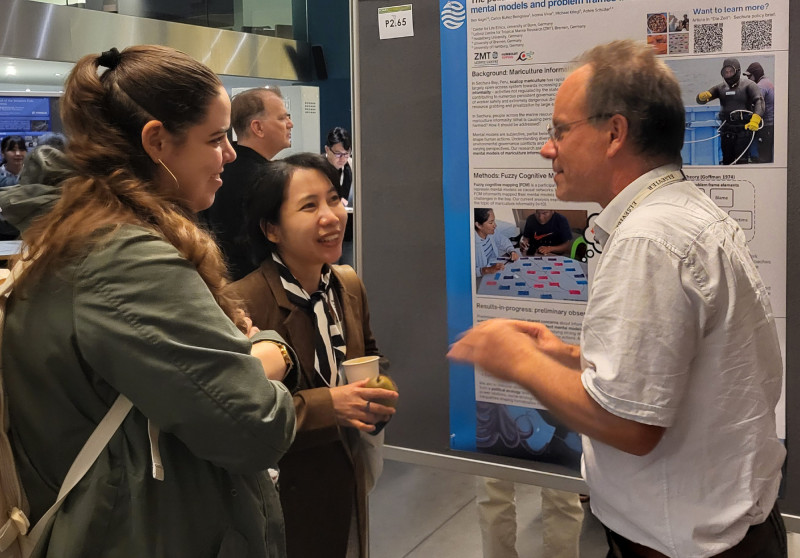
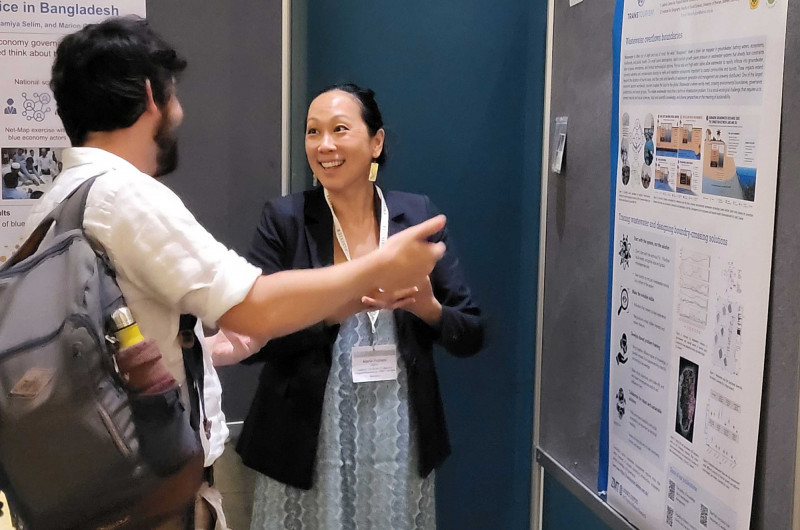
Yuni Setyaningsih, Doctoral Candidate, WG Deliberation, Valuation and Sustainability: “I appreciate that ECSA offered a valuable opportunity to exchange perspectives on coastal and estuarine research across countries and contexts, while highlighting the challenges of transferring ‘best practices’ across settings. The Science-Policy Day highlighted the persistent gap between scientific knowledge, policy, and implementation. However, given ECSA’s international participation, the discussions could become more globally representative by bringing in perspectives from tropical and other non-European contexts. The early-career sessions and networking also provided very useful spaces to exchange across countries and disciplines.”
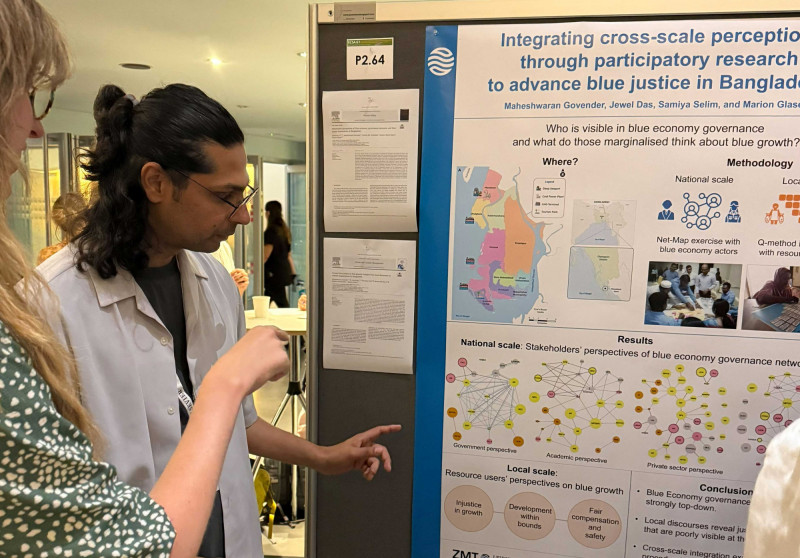
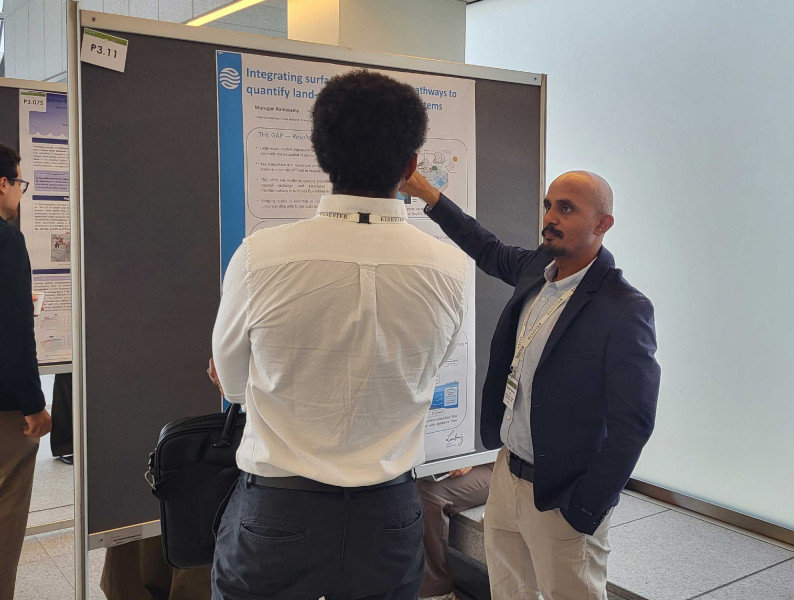
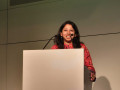
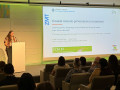
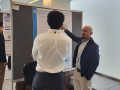
Impressions from ECSA61



 Programme Areas
  Working Groups