

ZMT celebrates 35th anniversary with an eye on the future
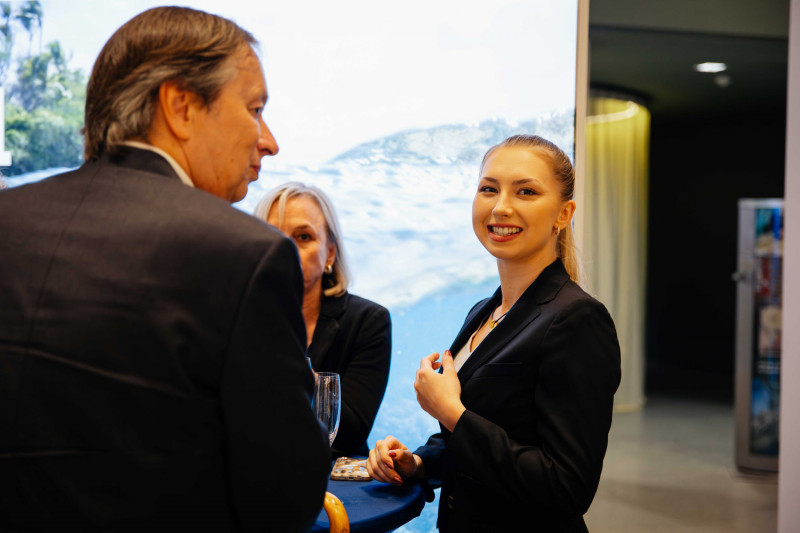
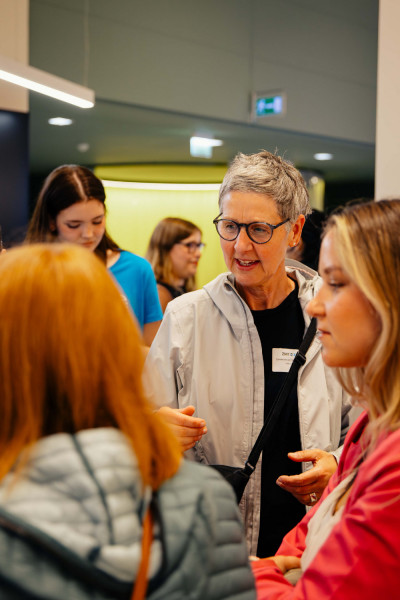
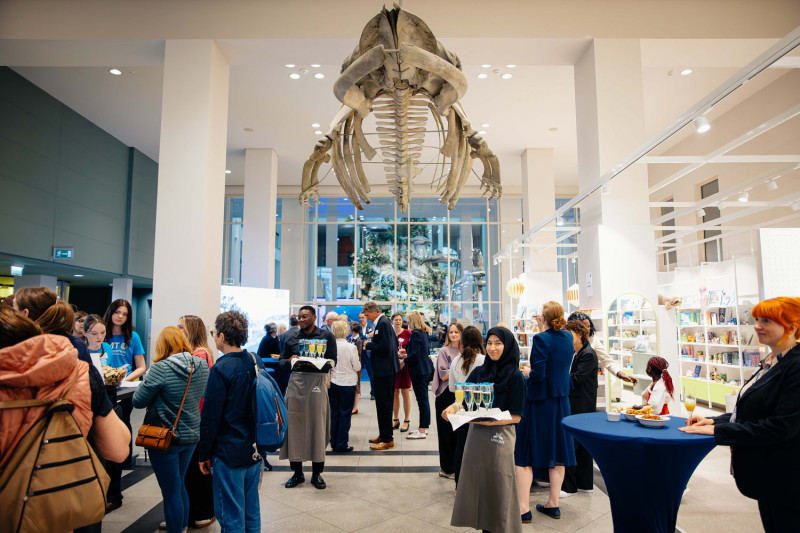
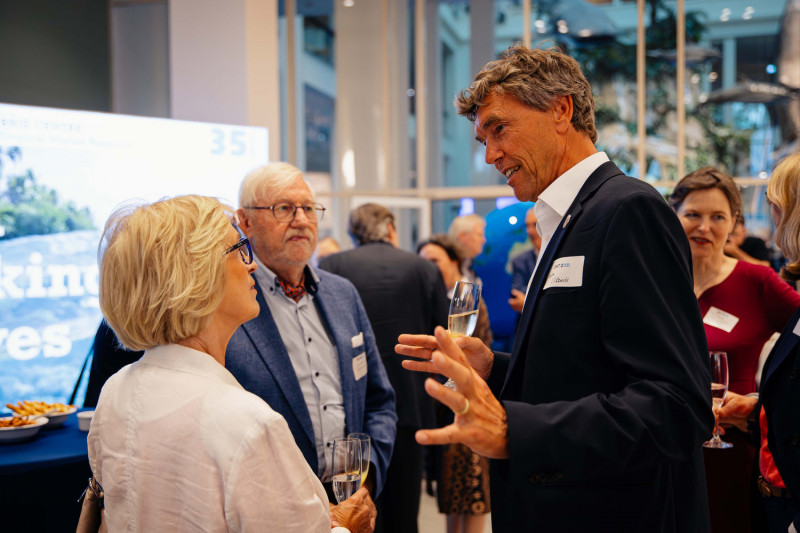
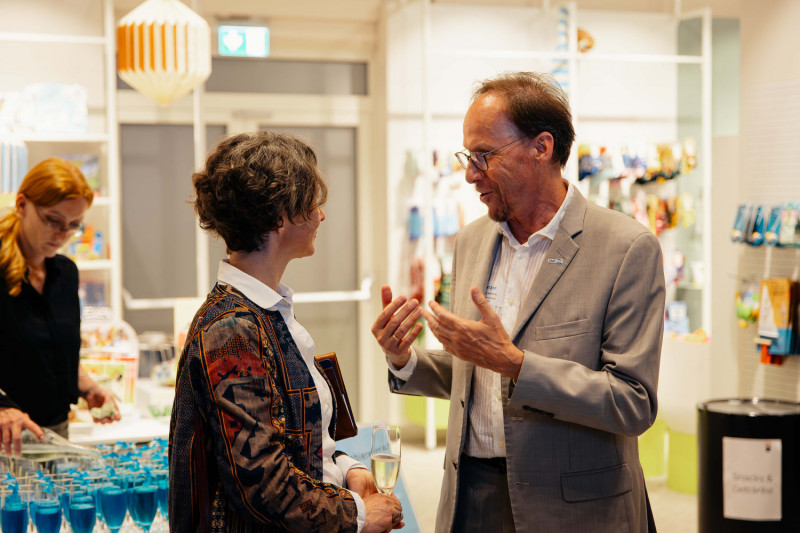
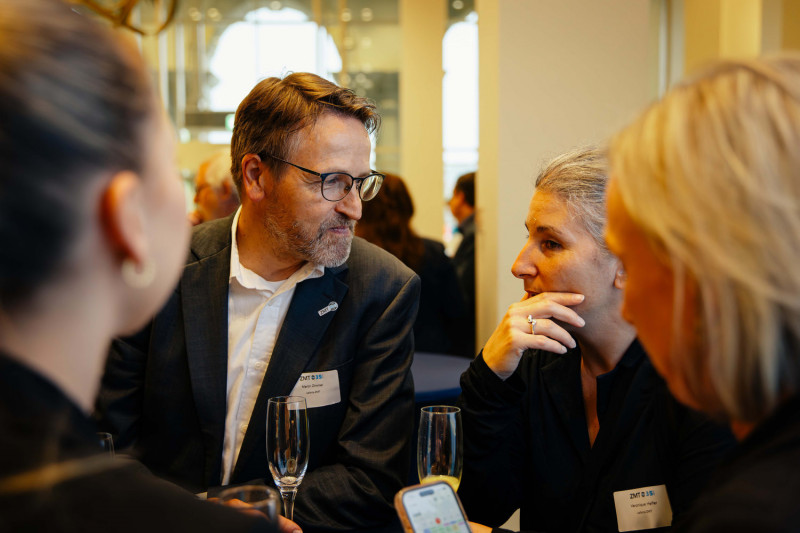
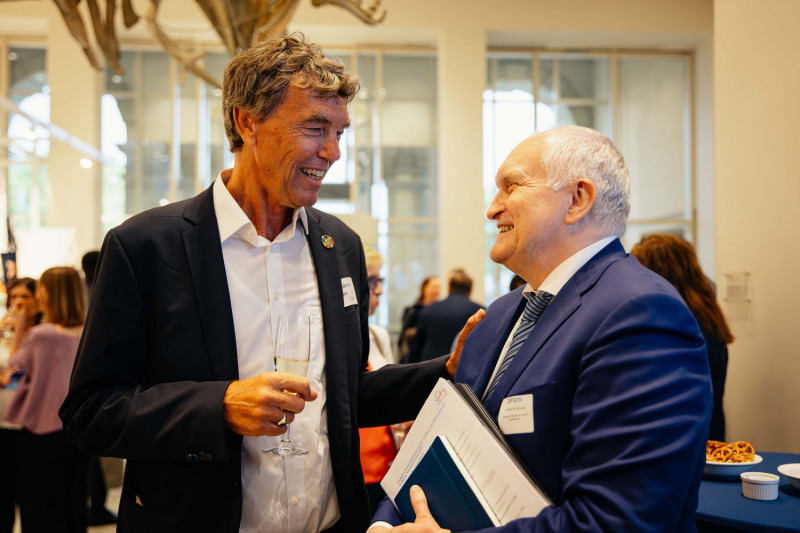
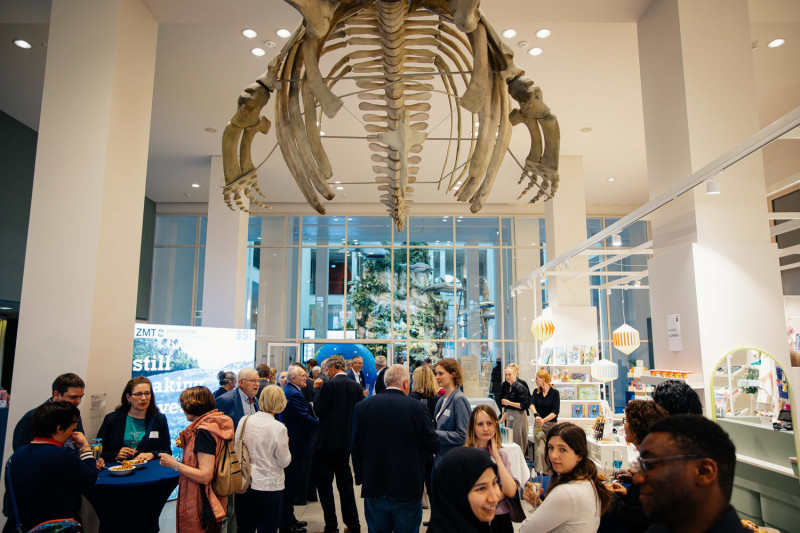
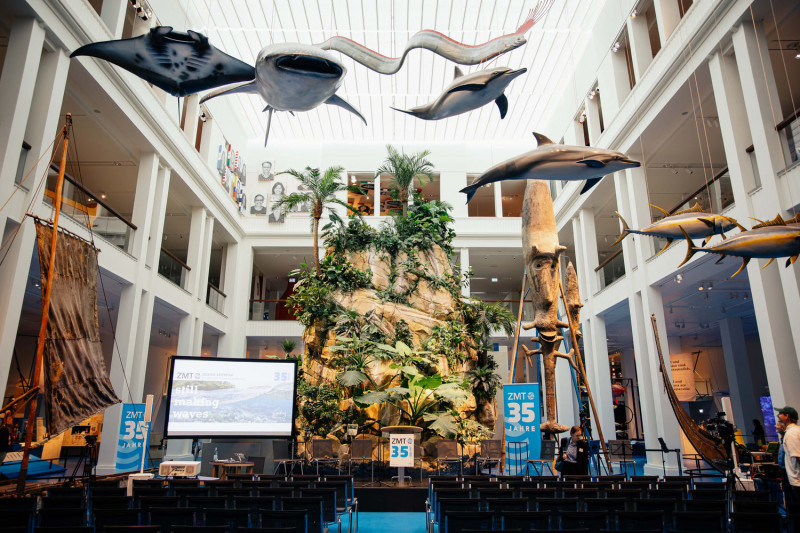
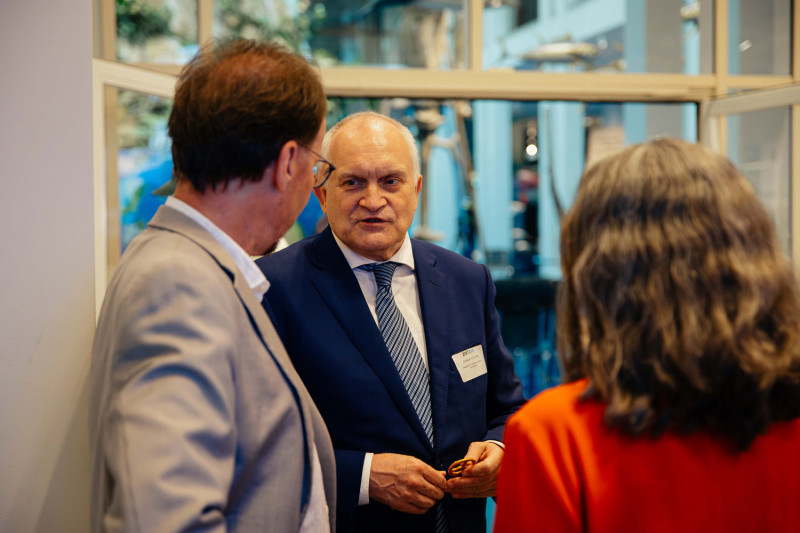
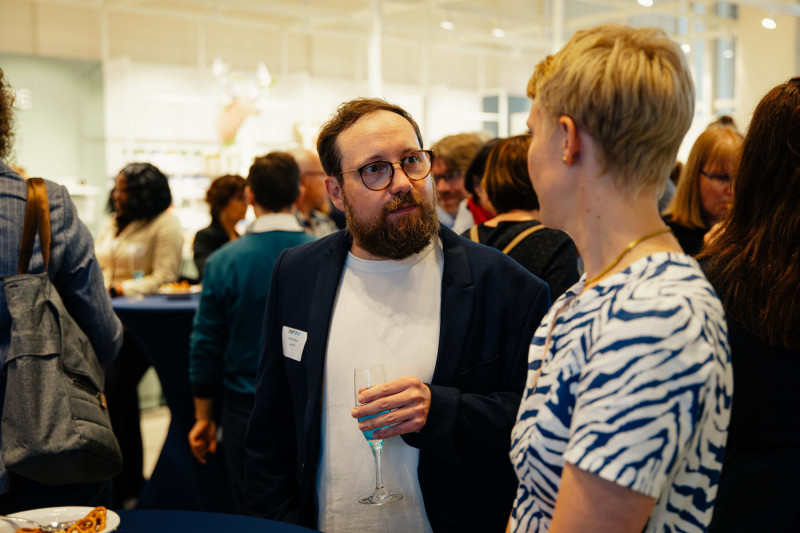
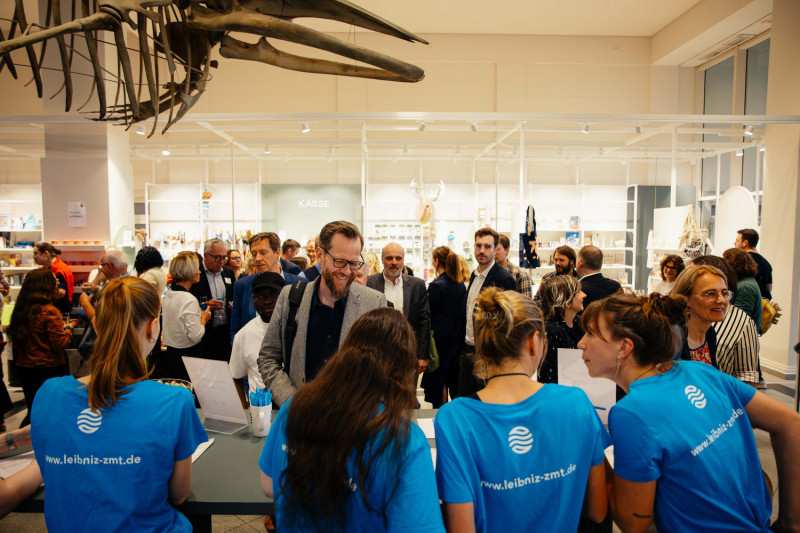
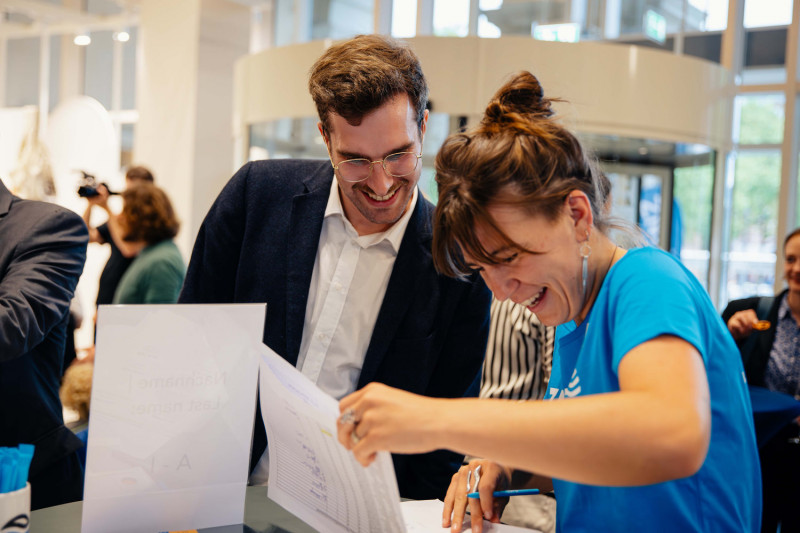
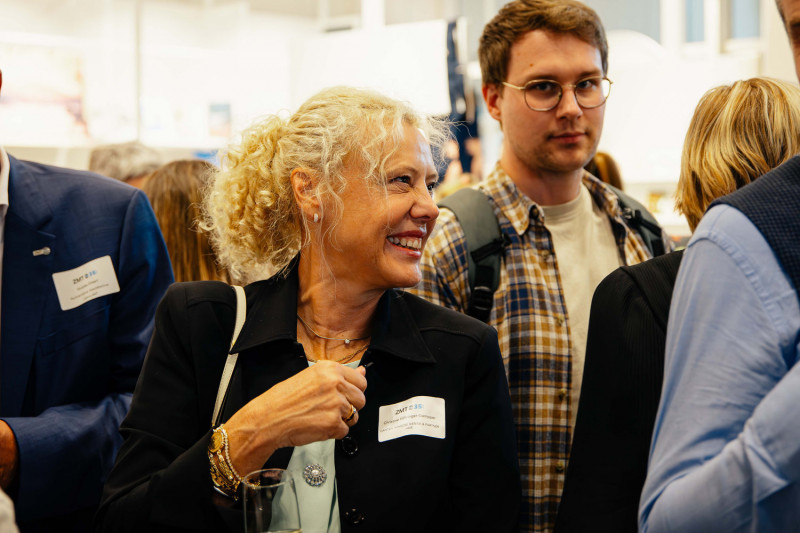
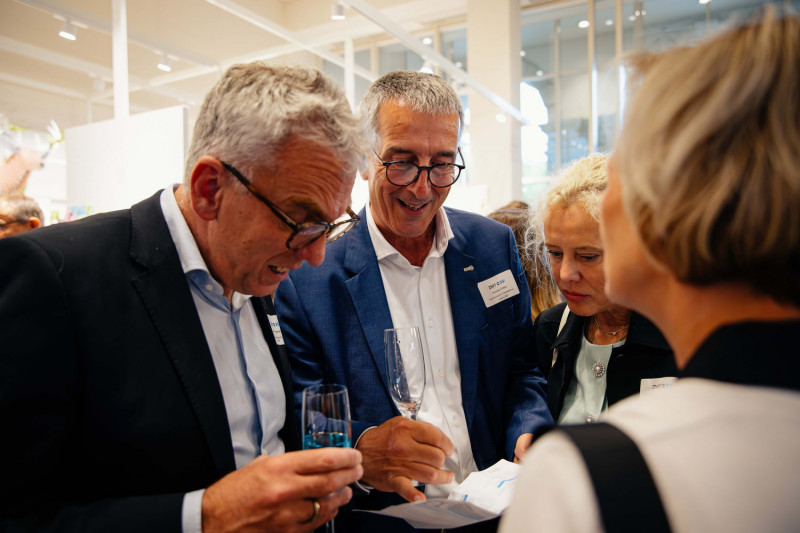
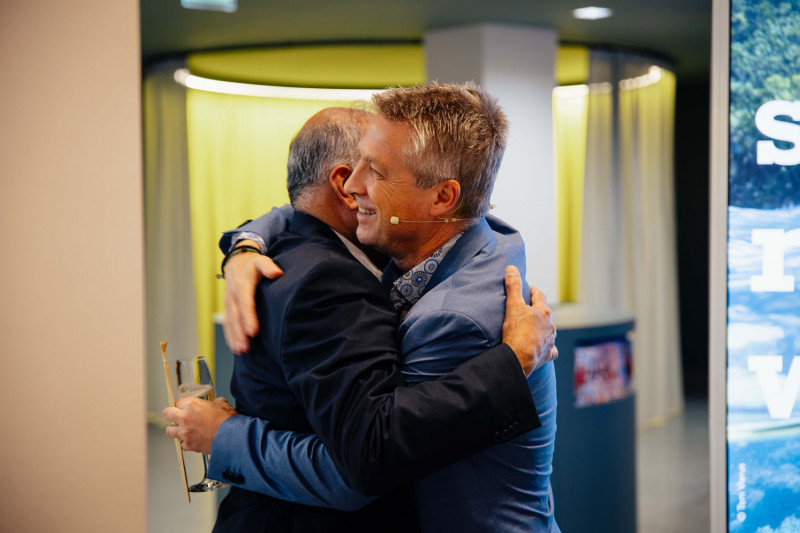
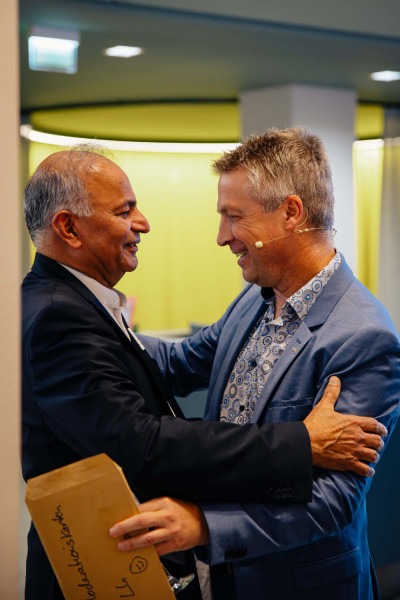
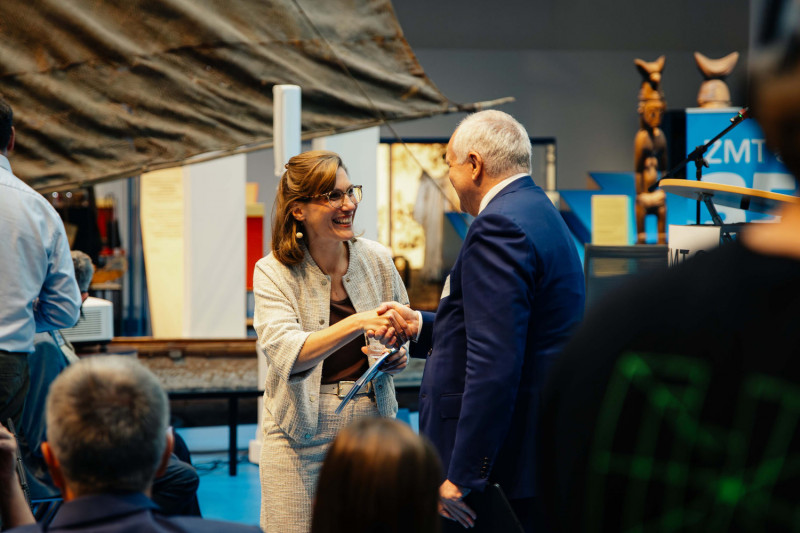
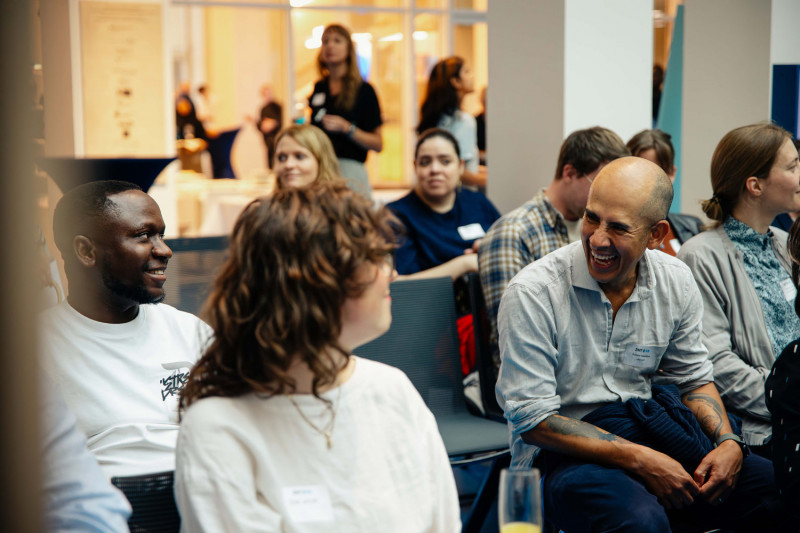
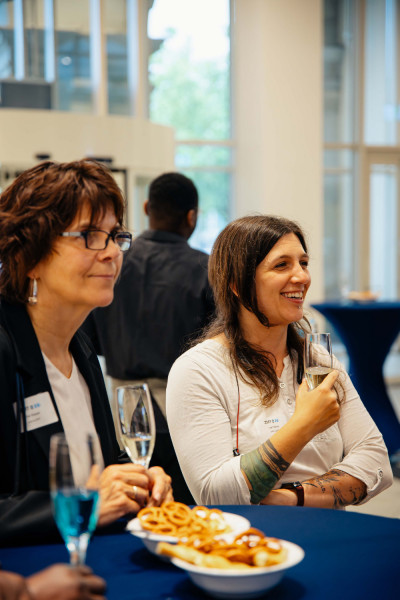
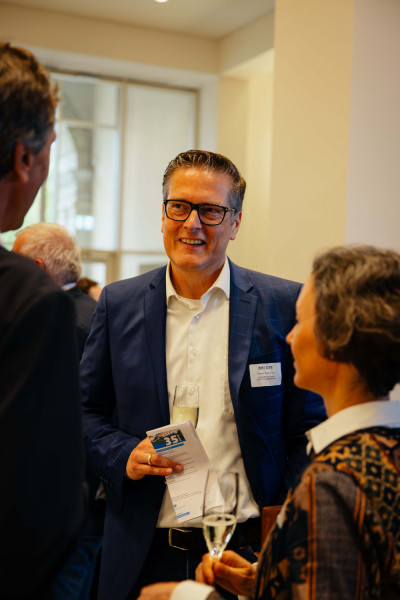
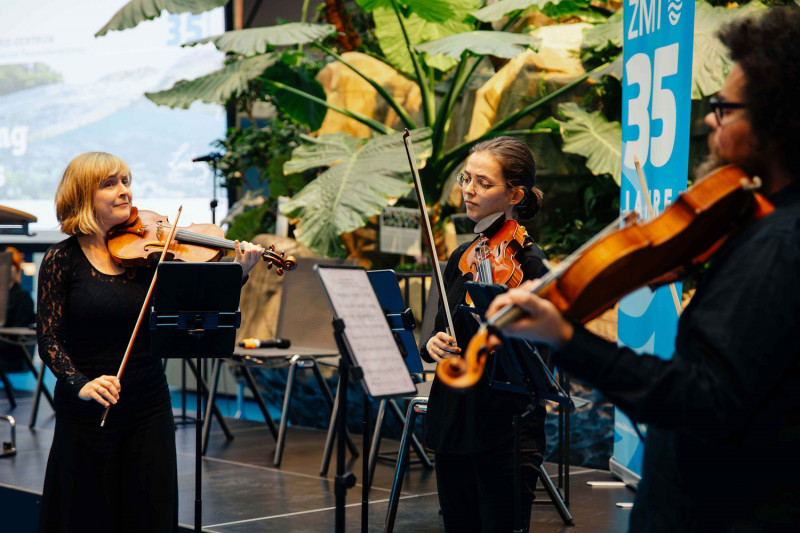
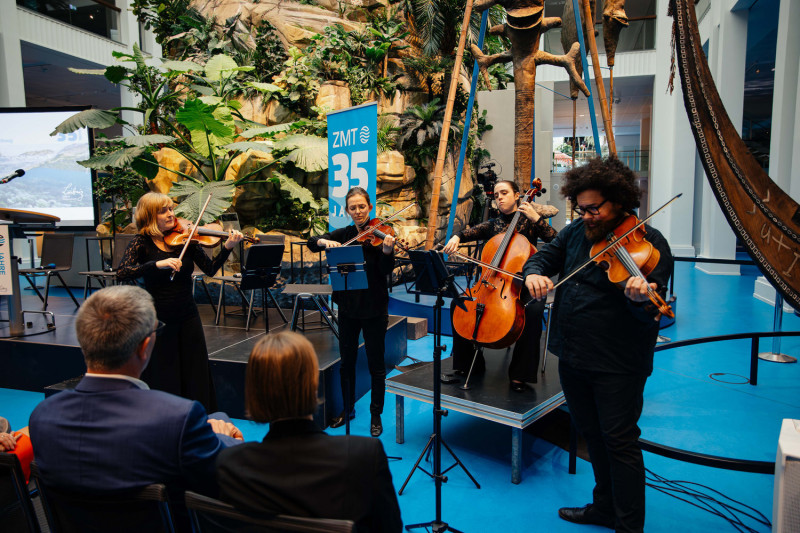
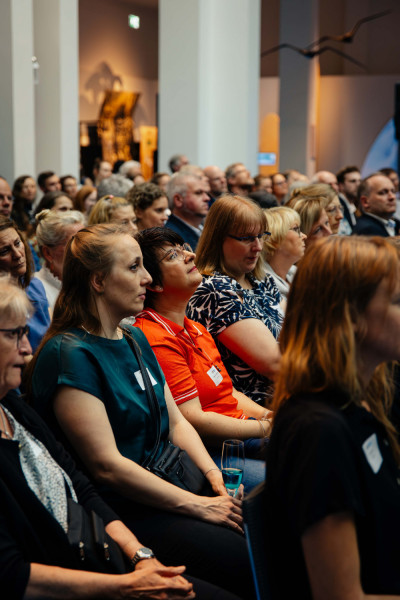
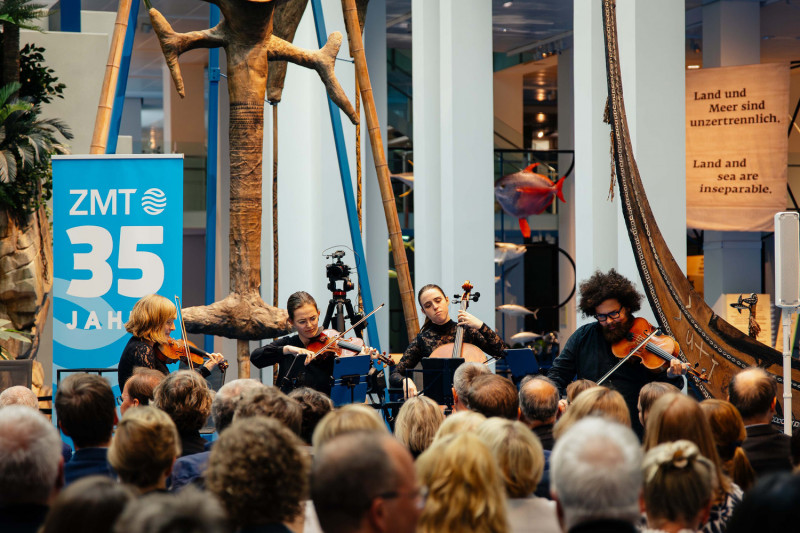
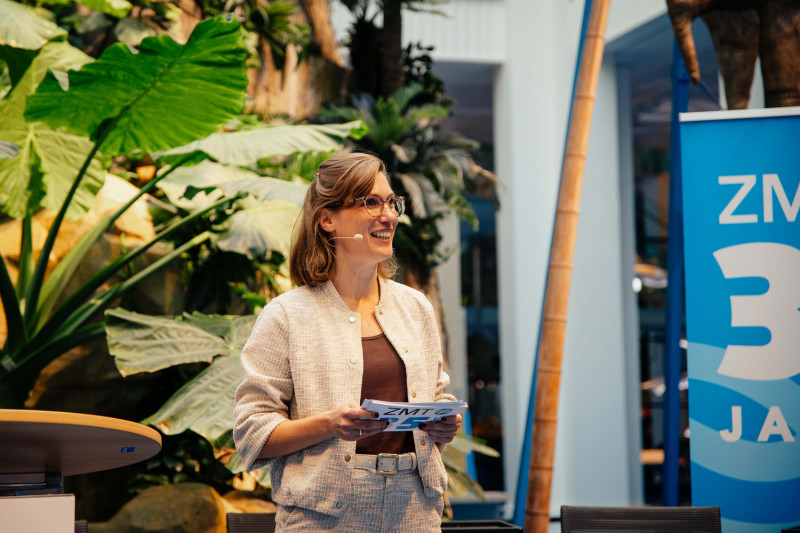
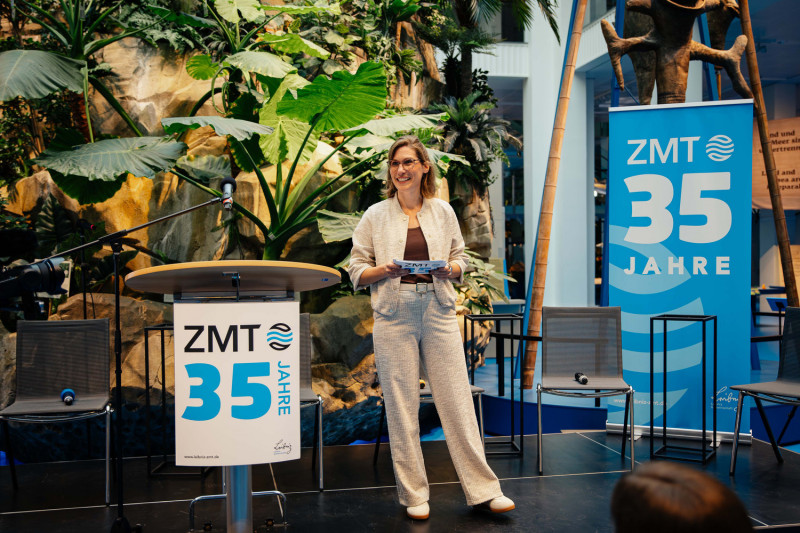
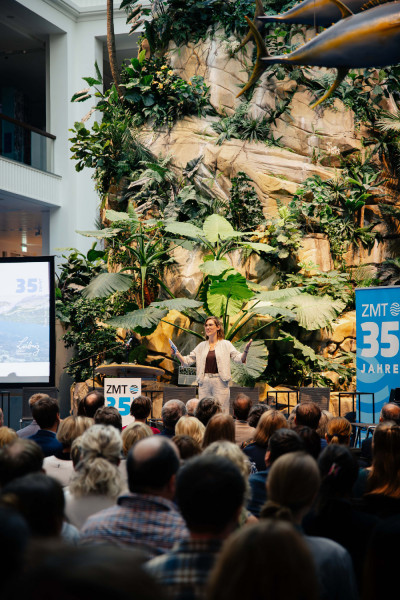
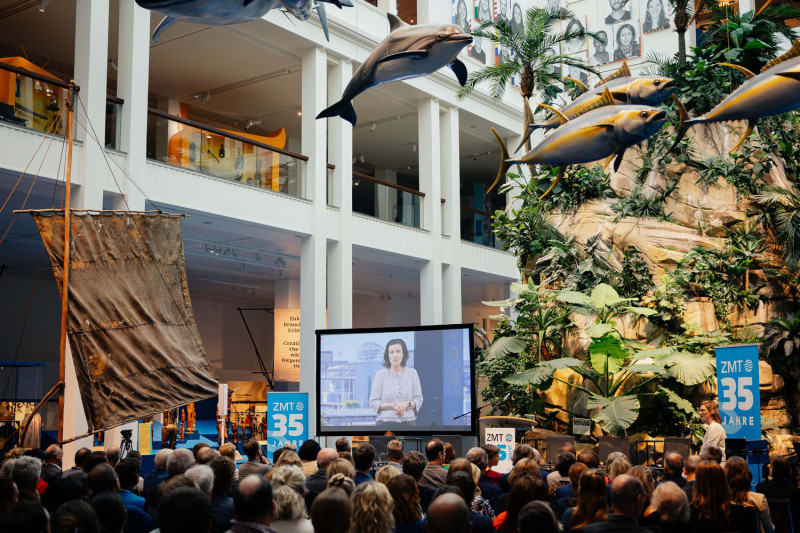
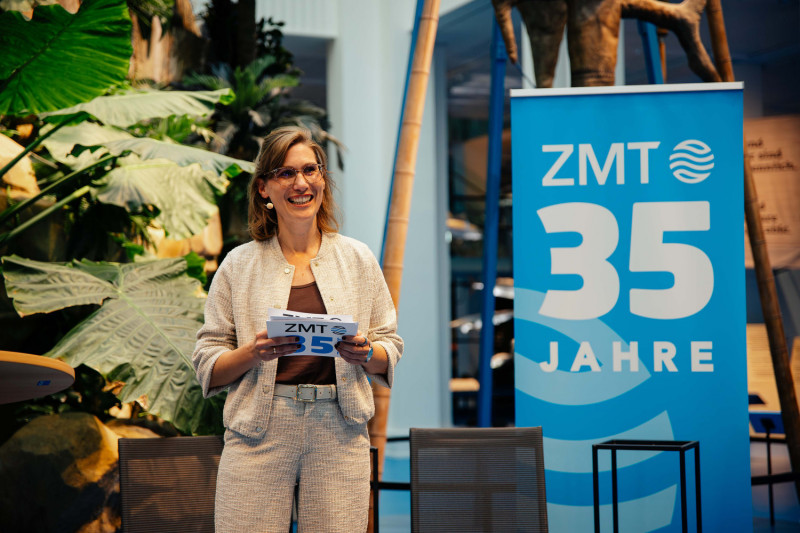
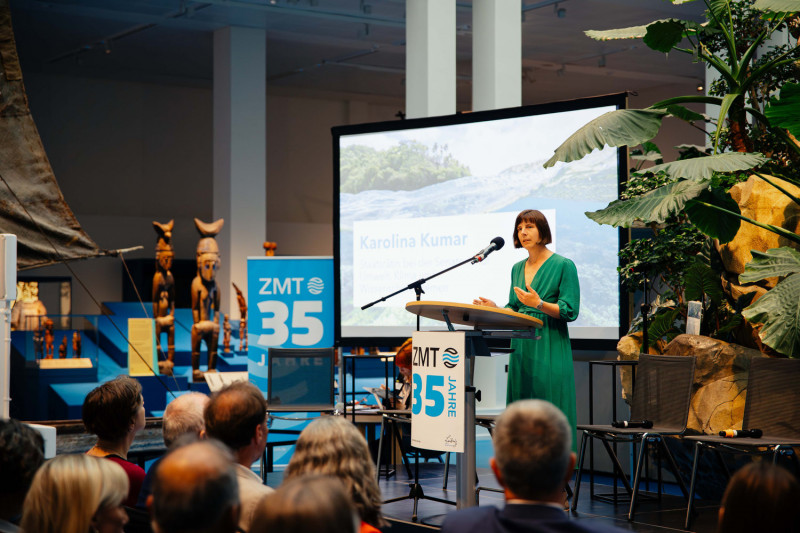
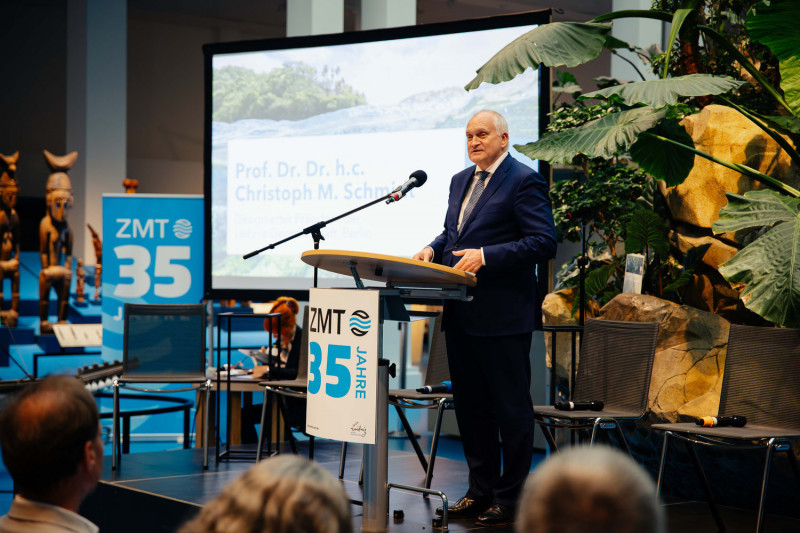
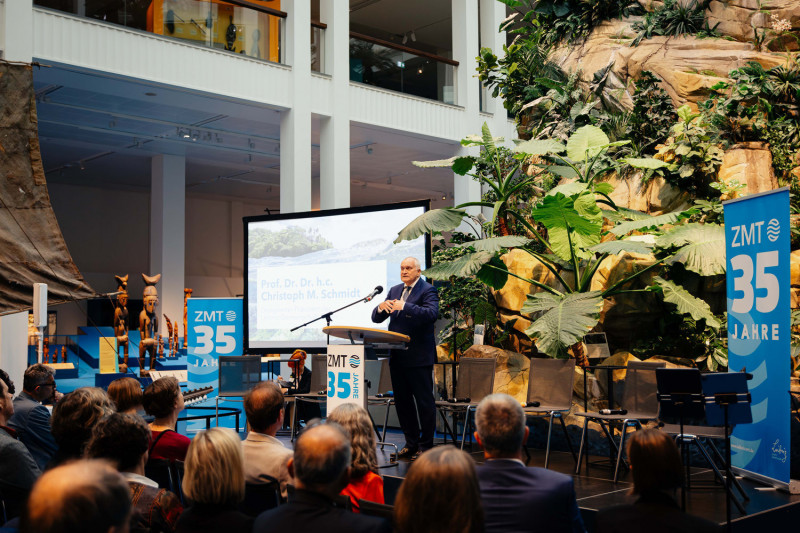
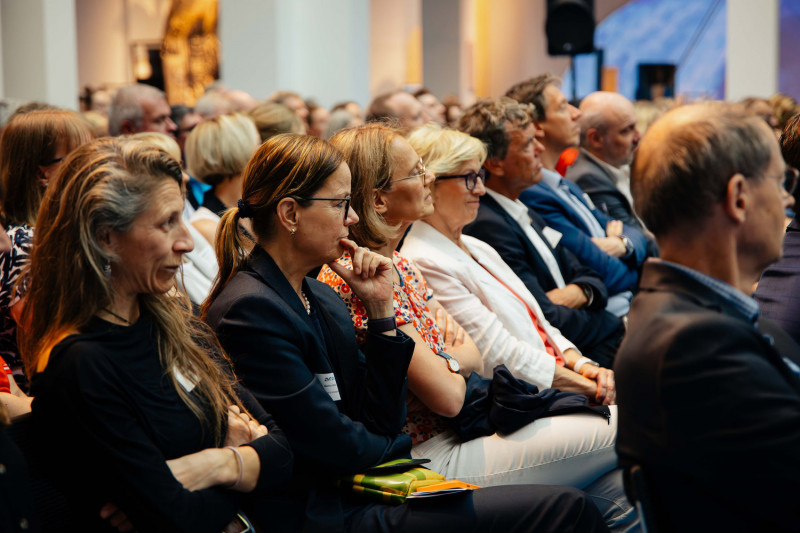
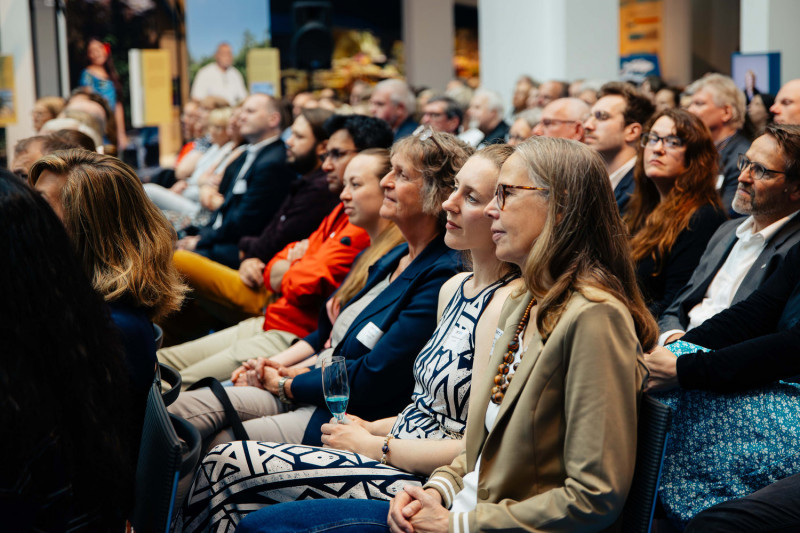
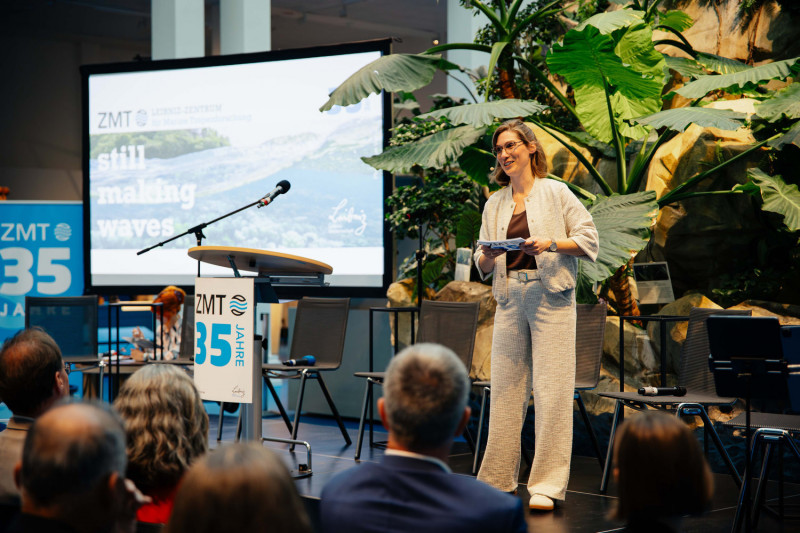
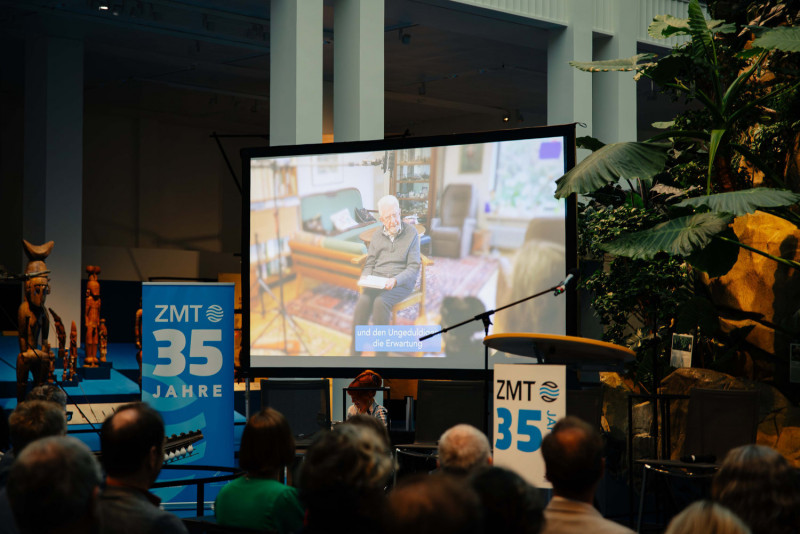
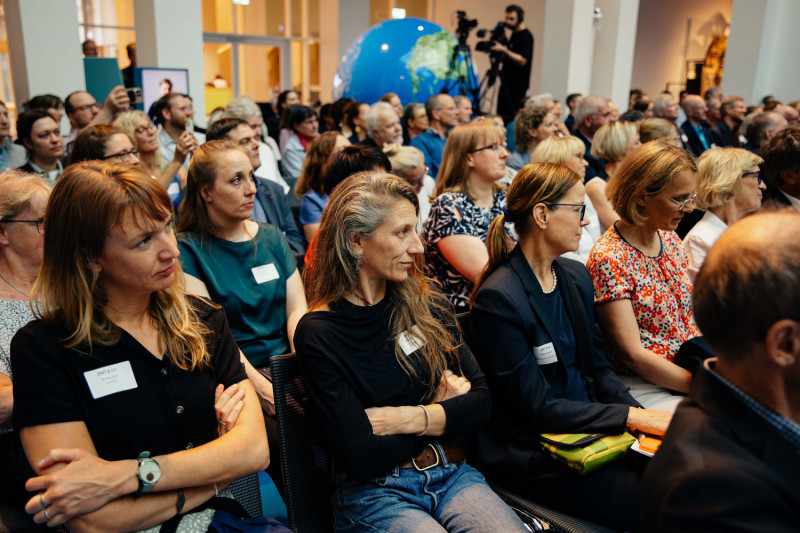
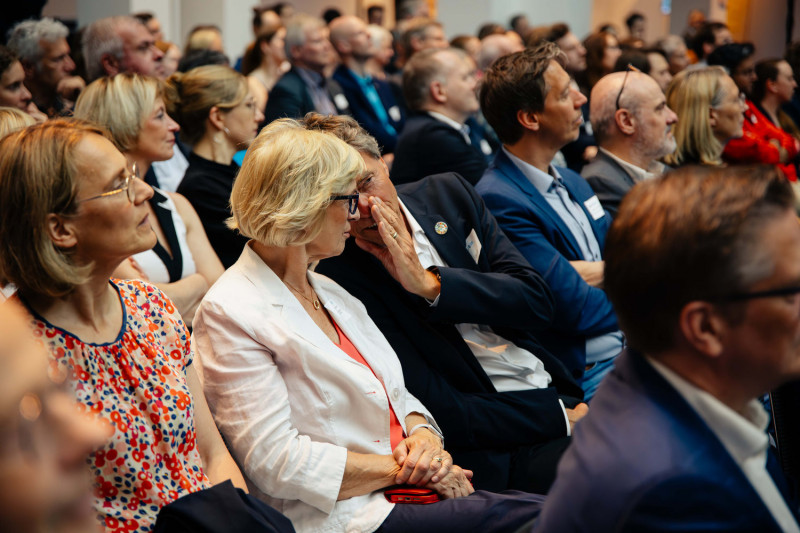
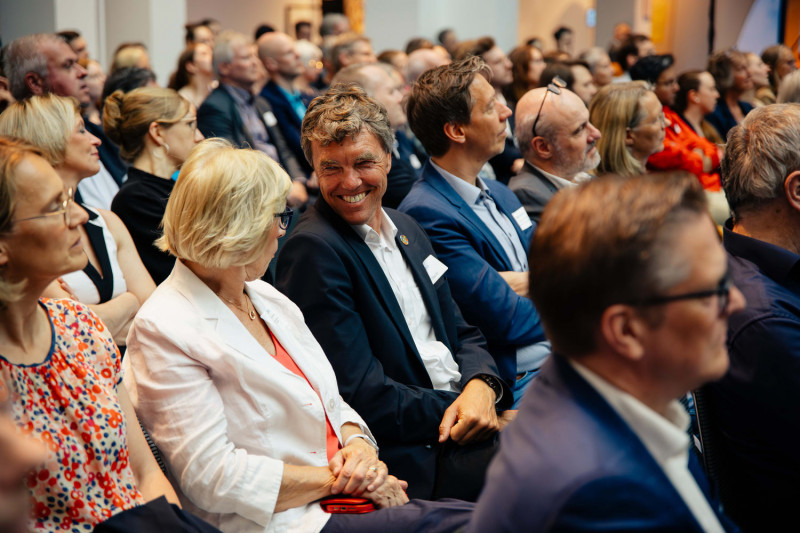
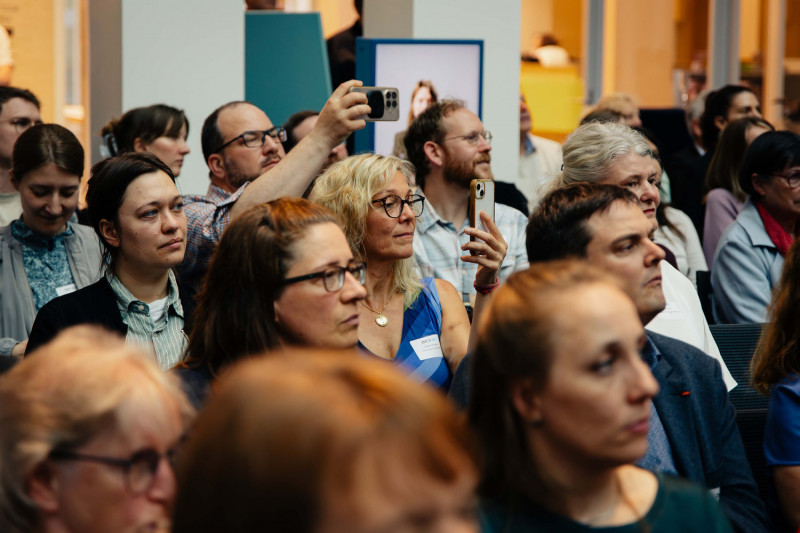
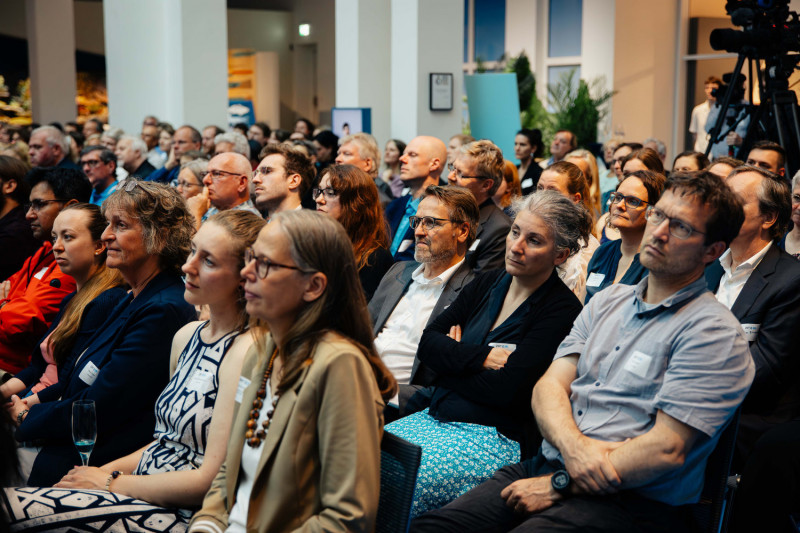
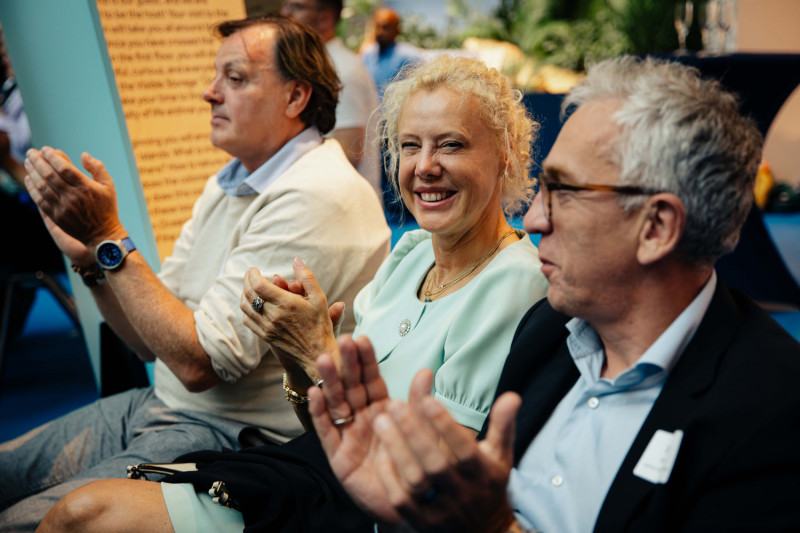
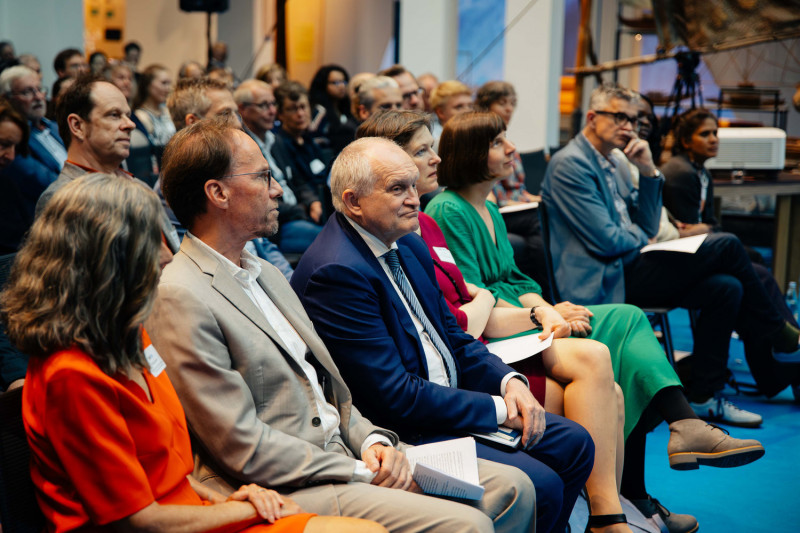
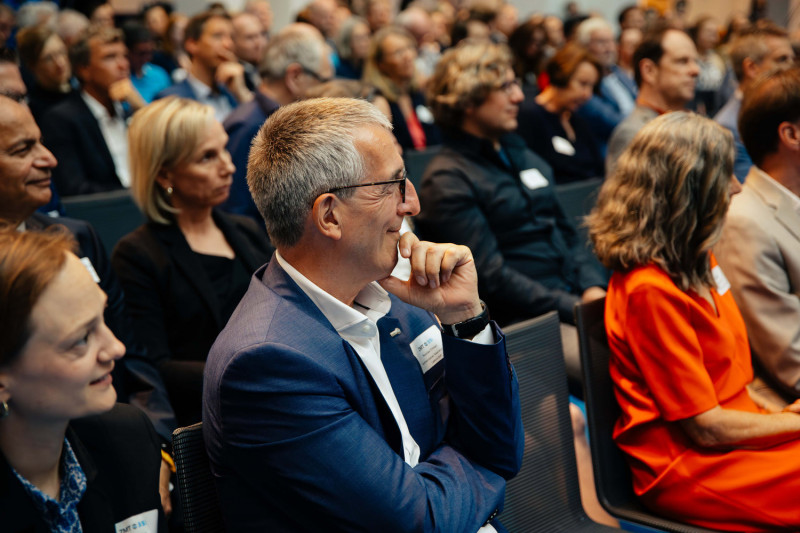
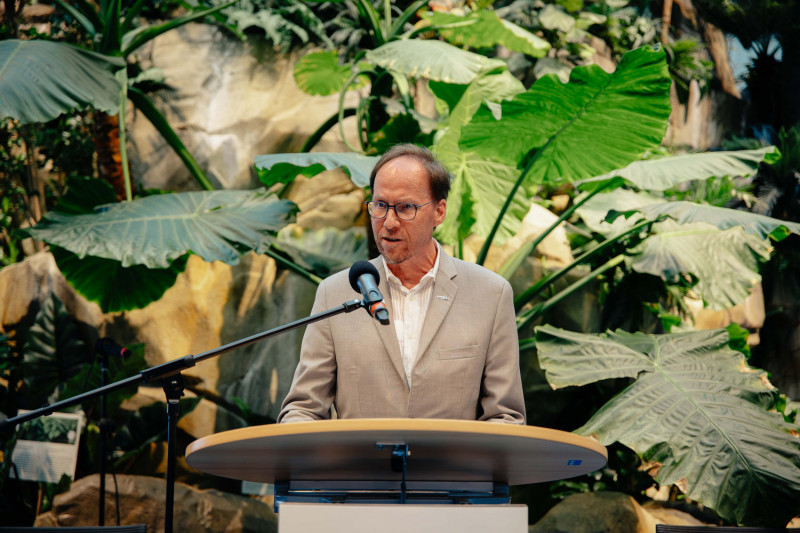
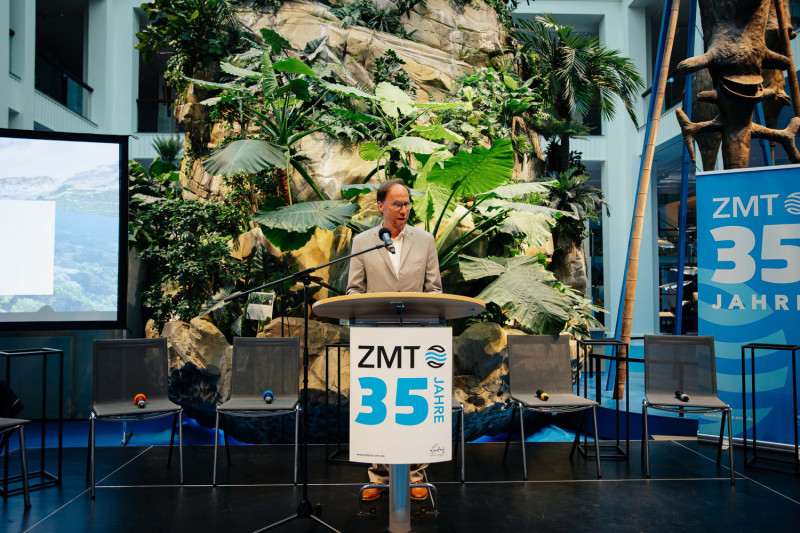
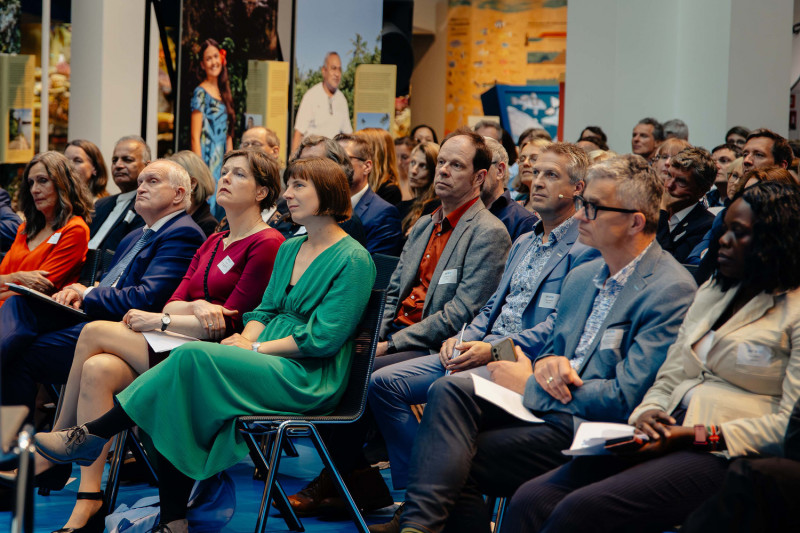
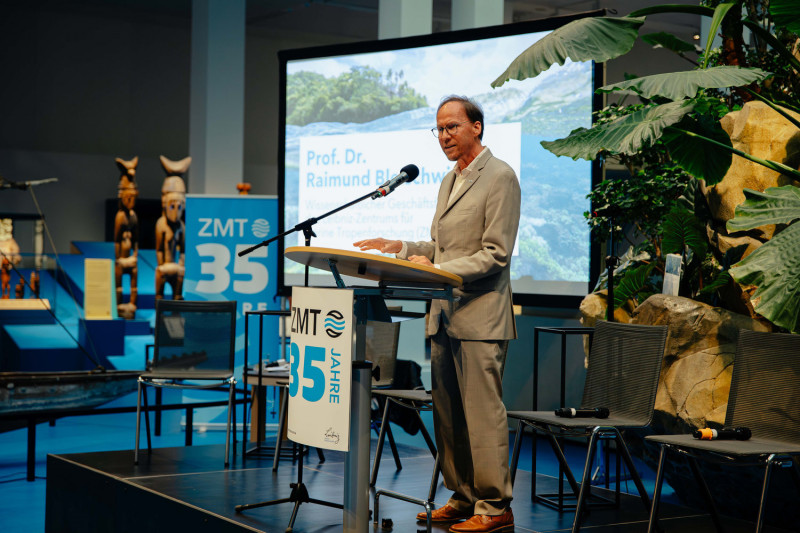
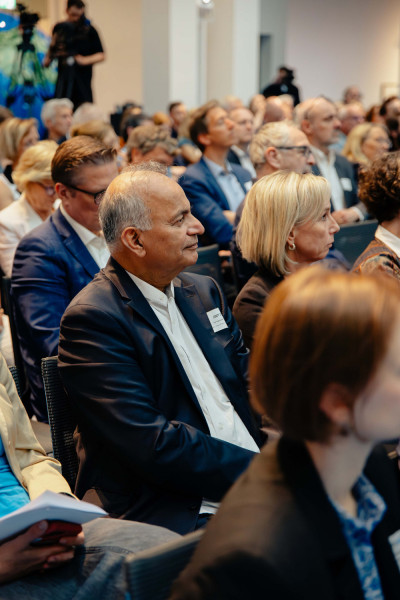
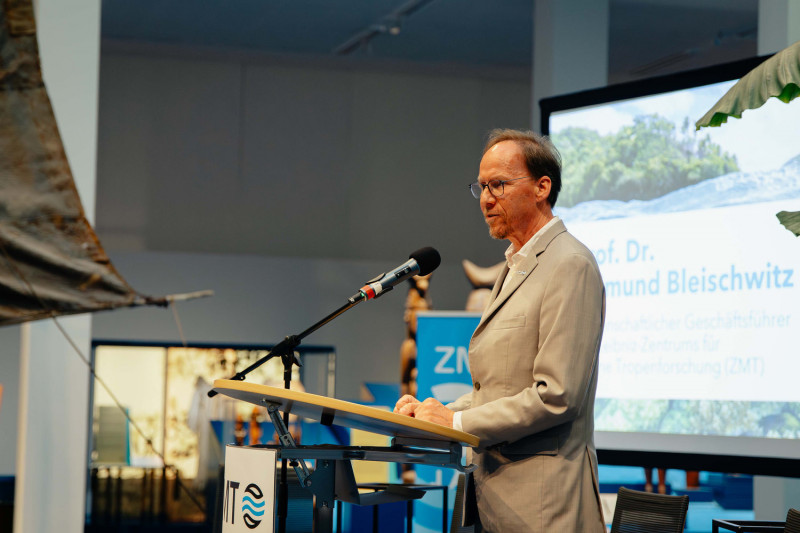
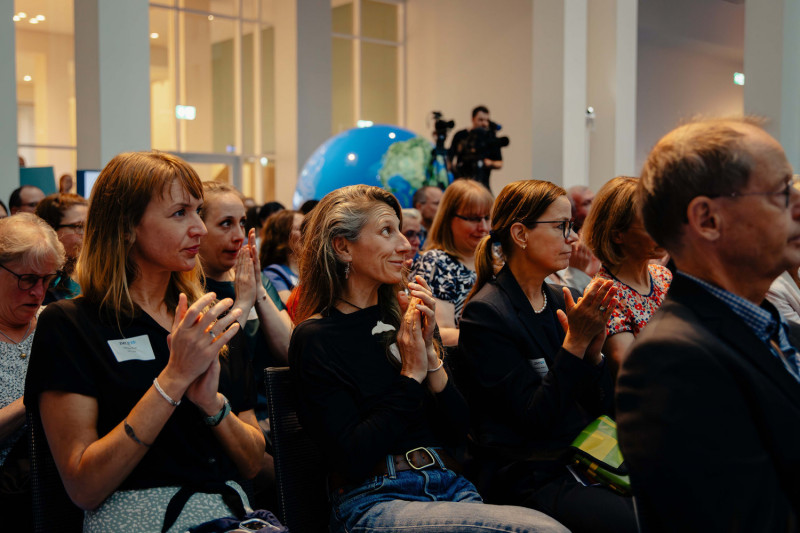
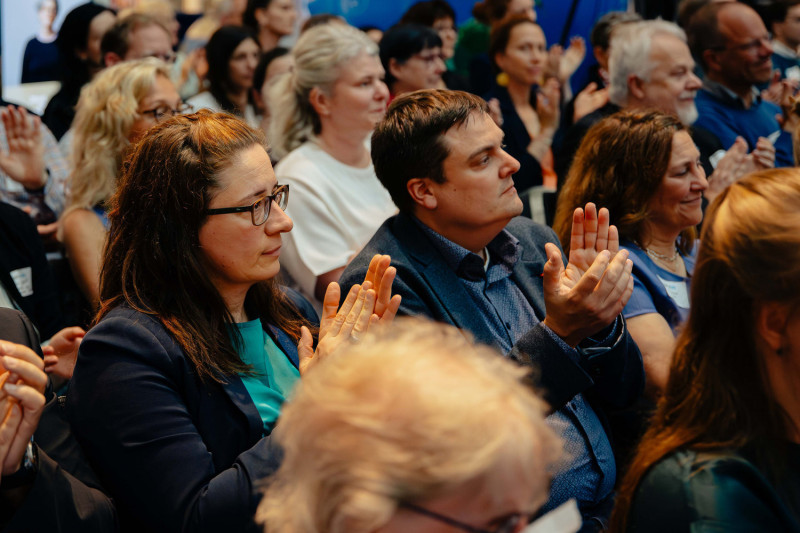
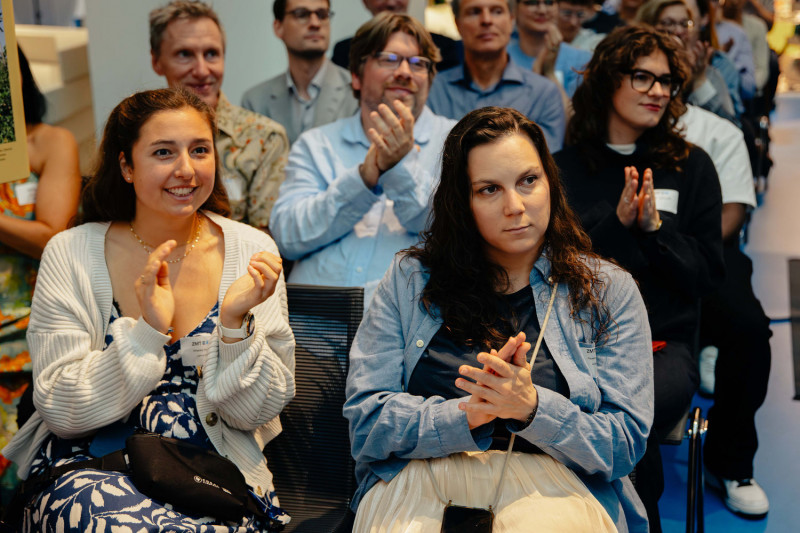
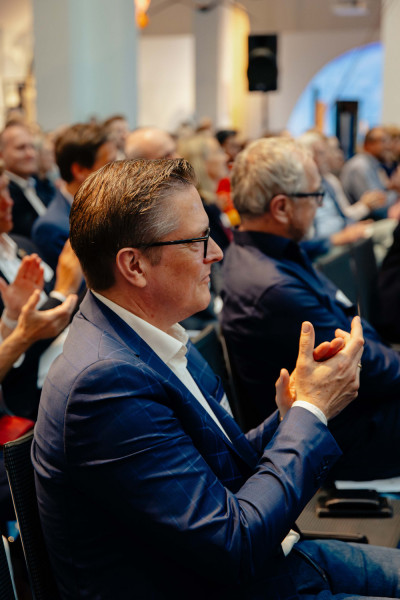
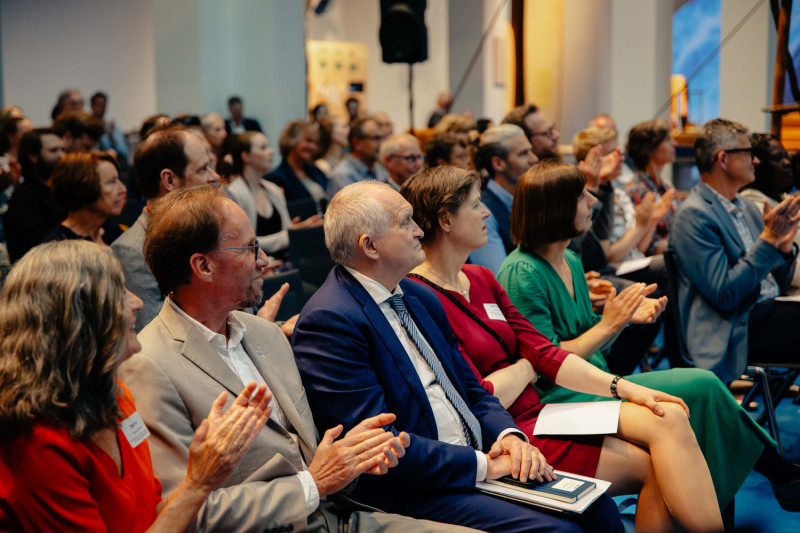
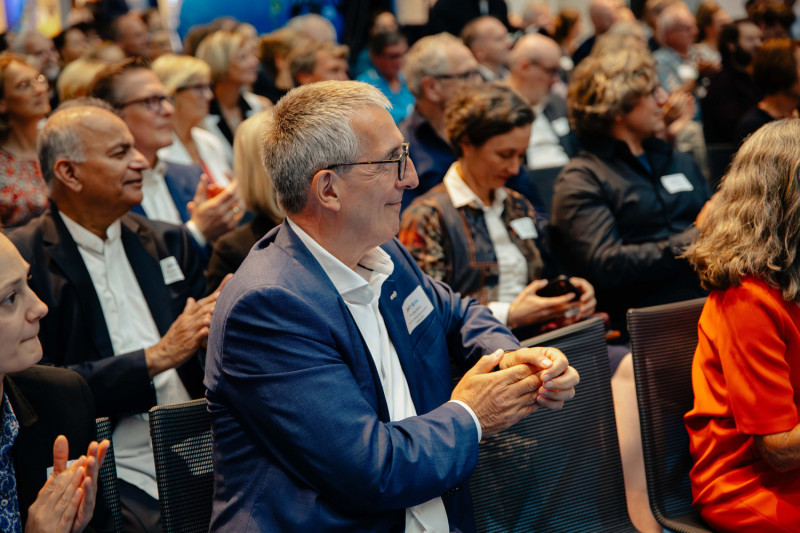
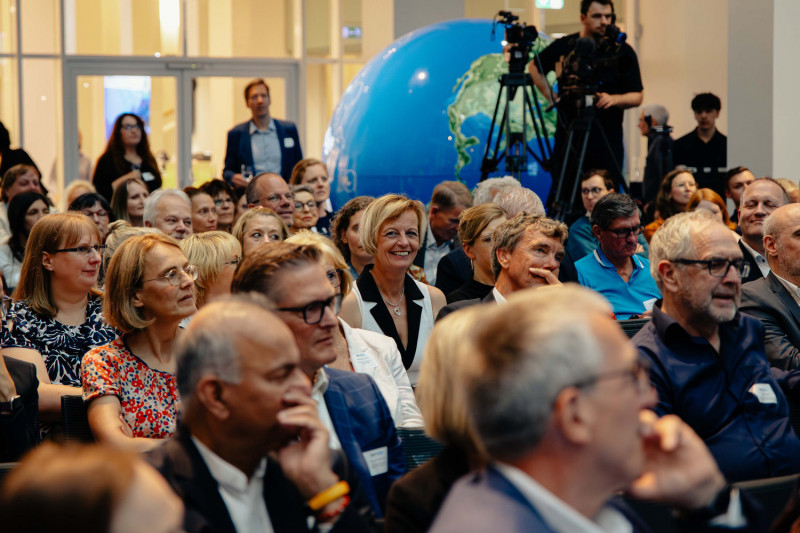
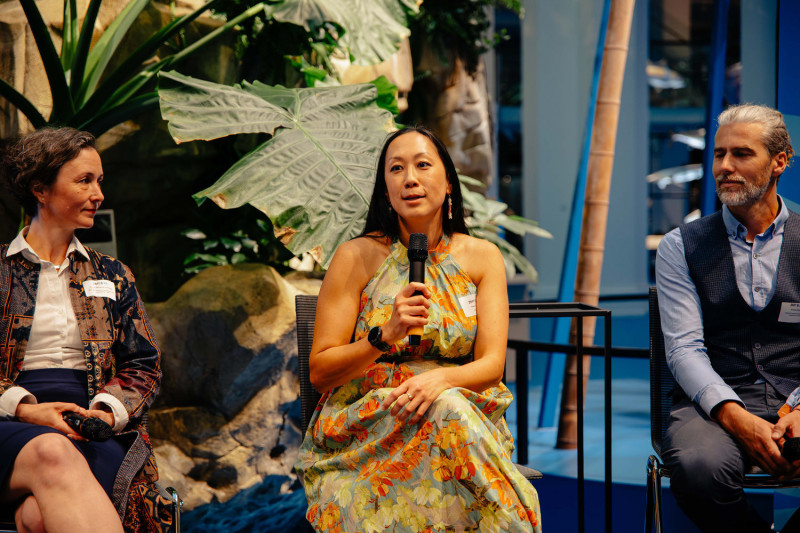
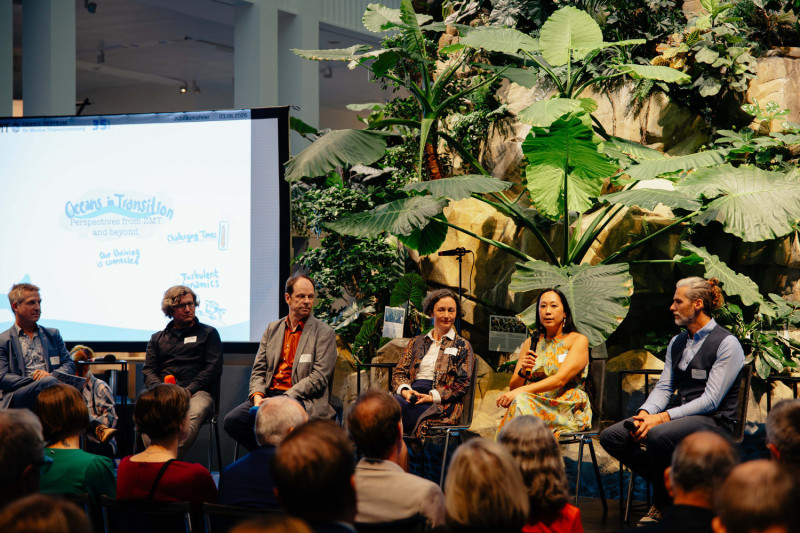
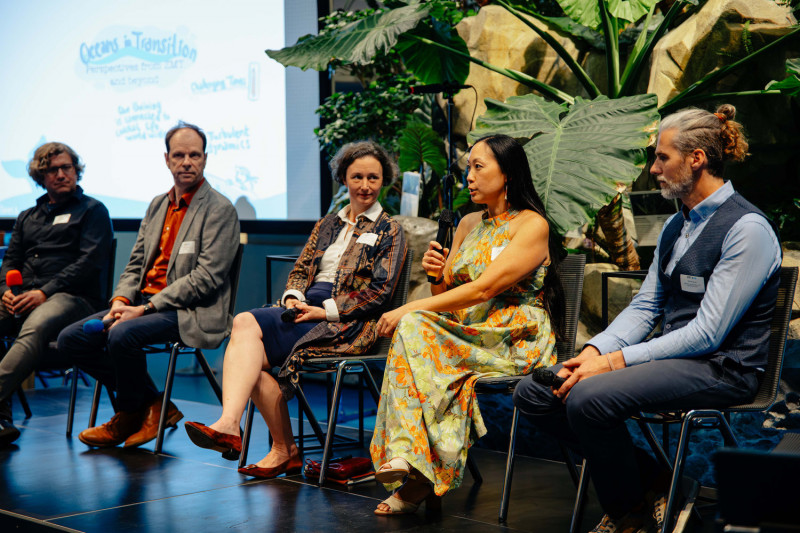
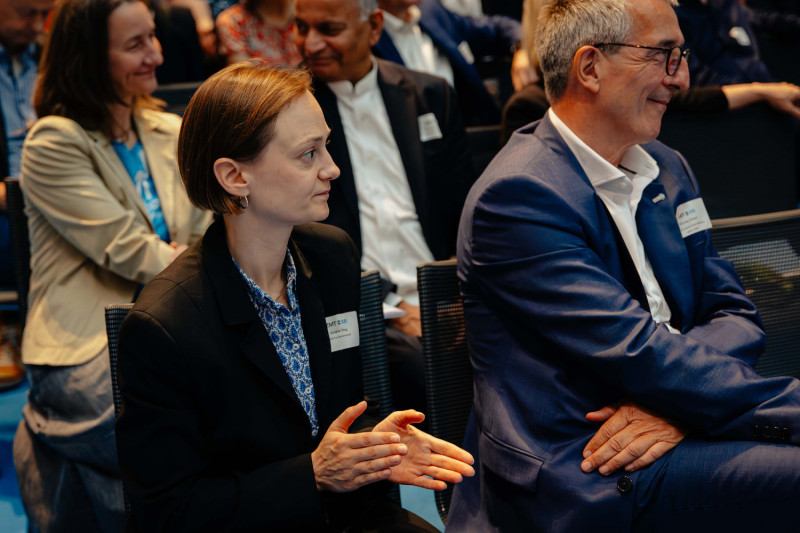
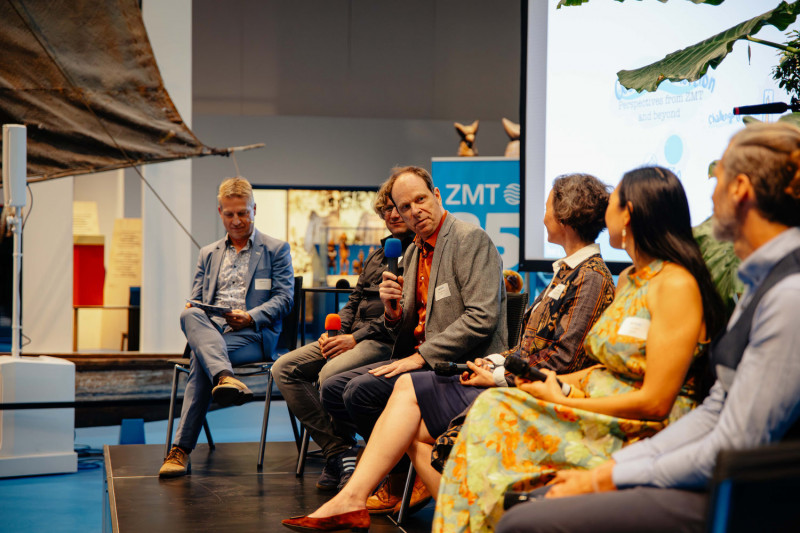
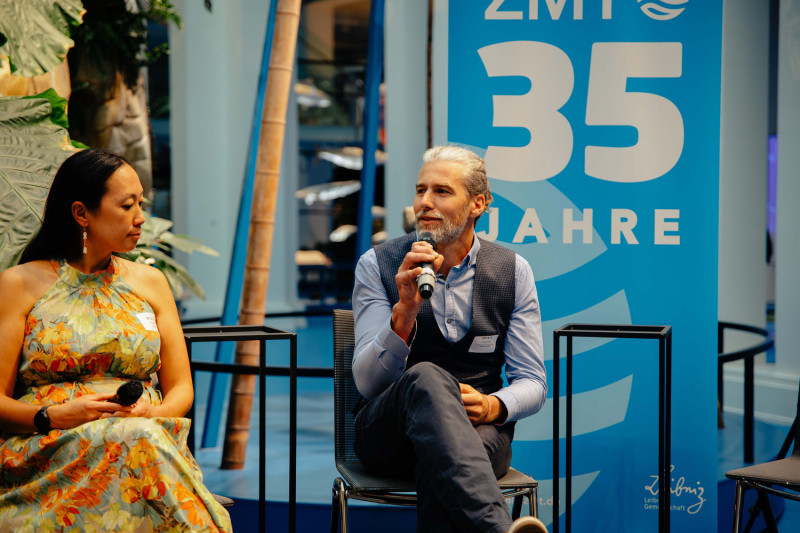
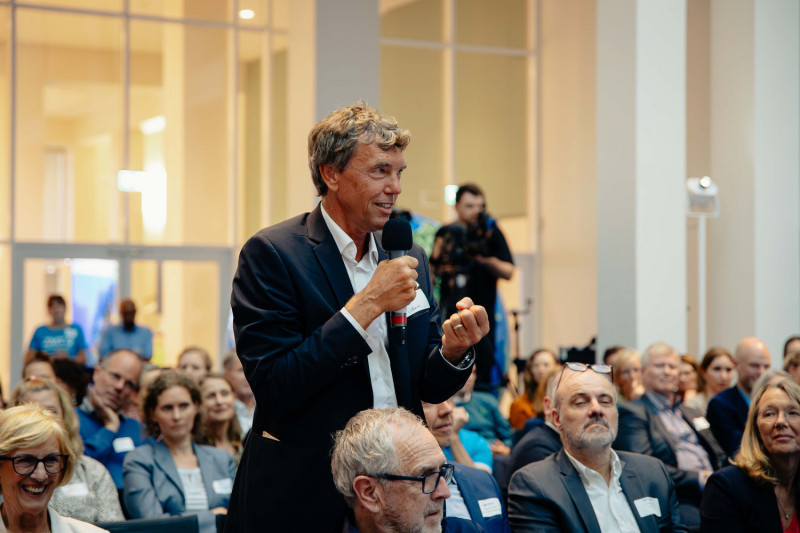
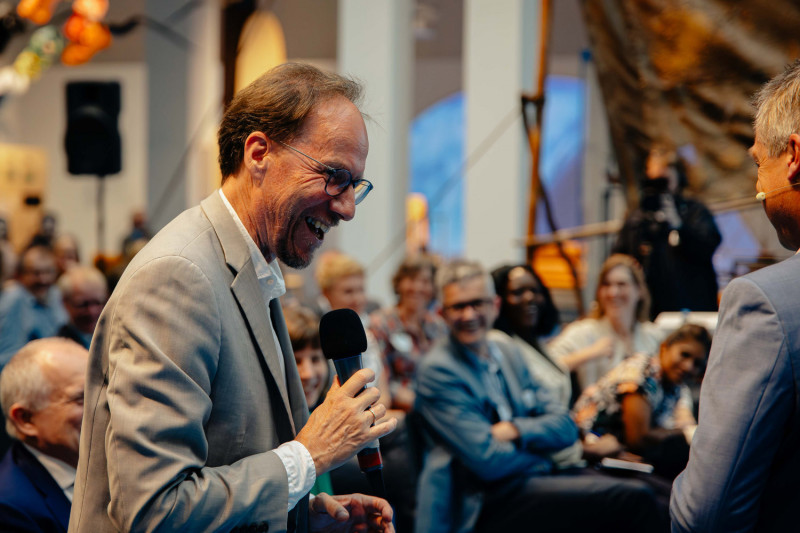
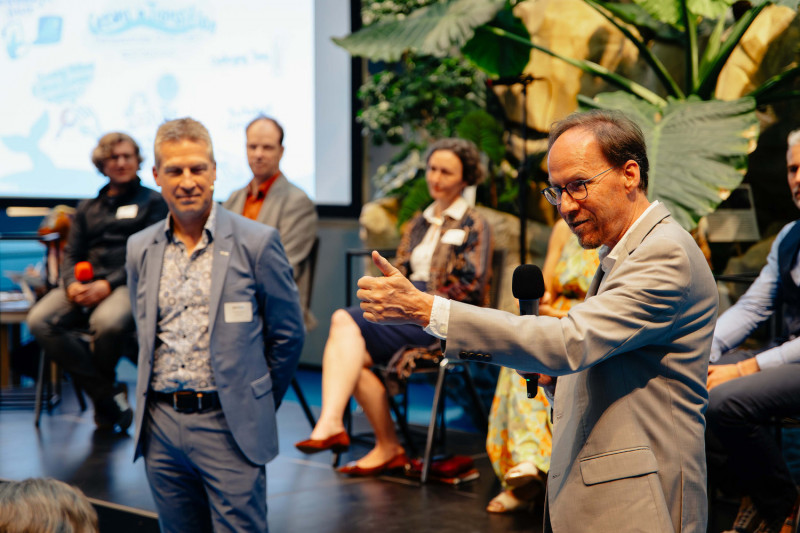
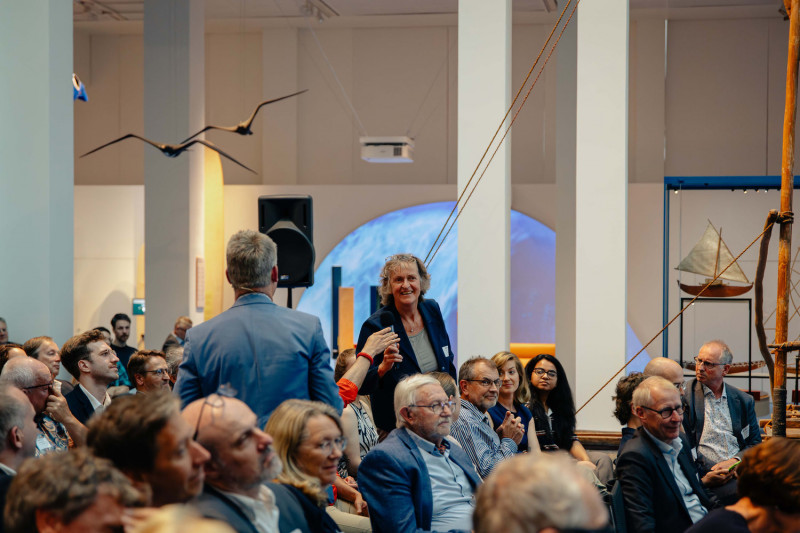
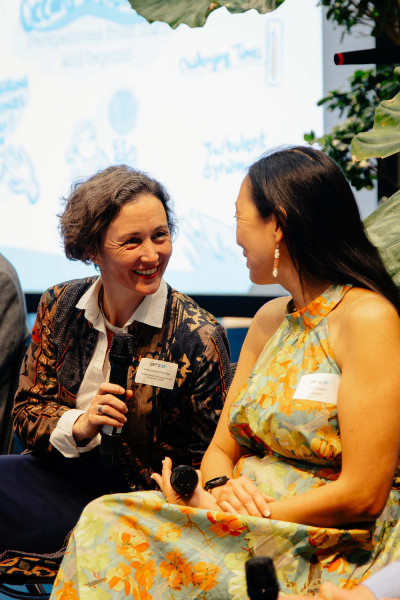
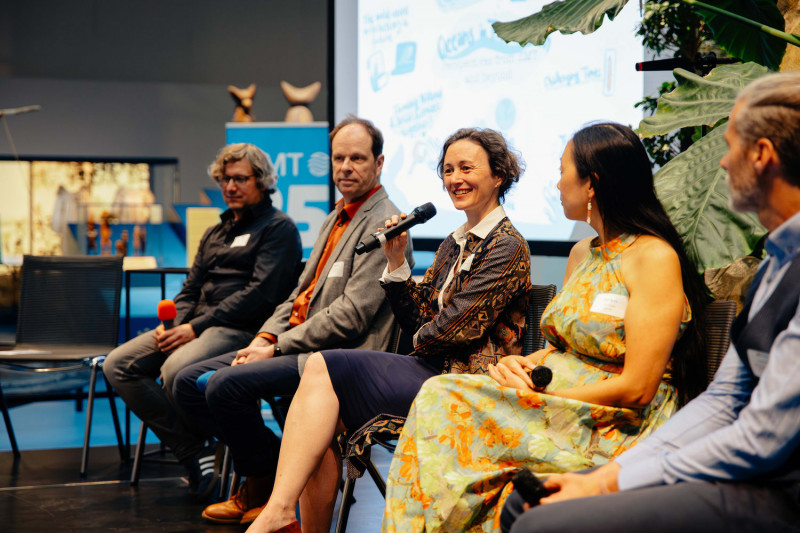
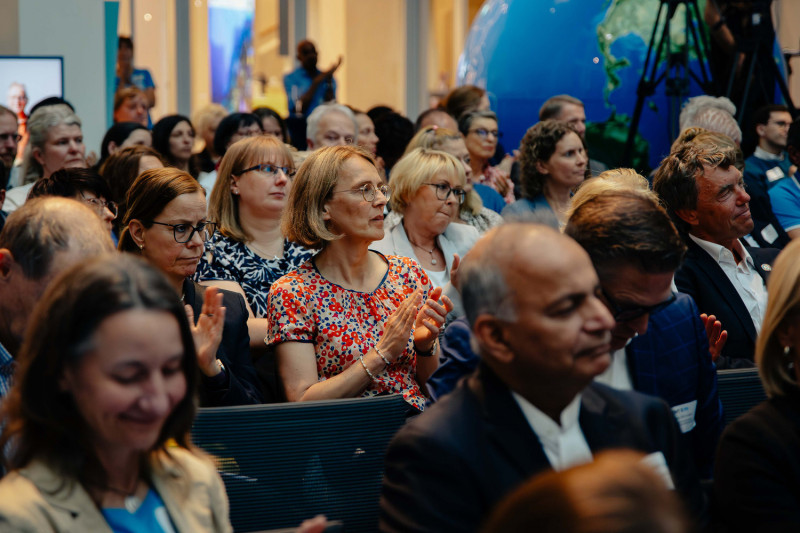
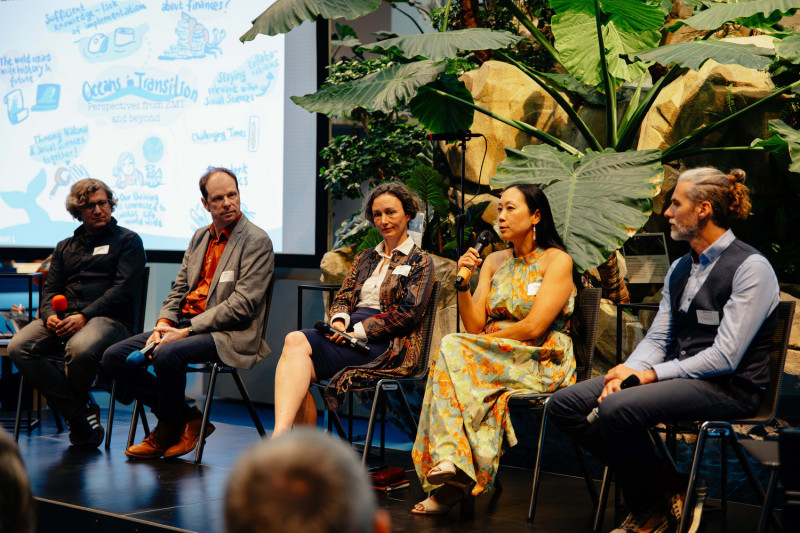
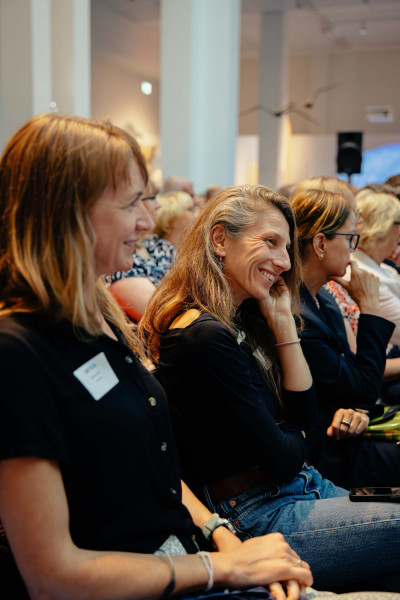
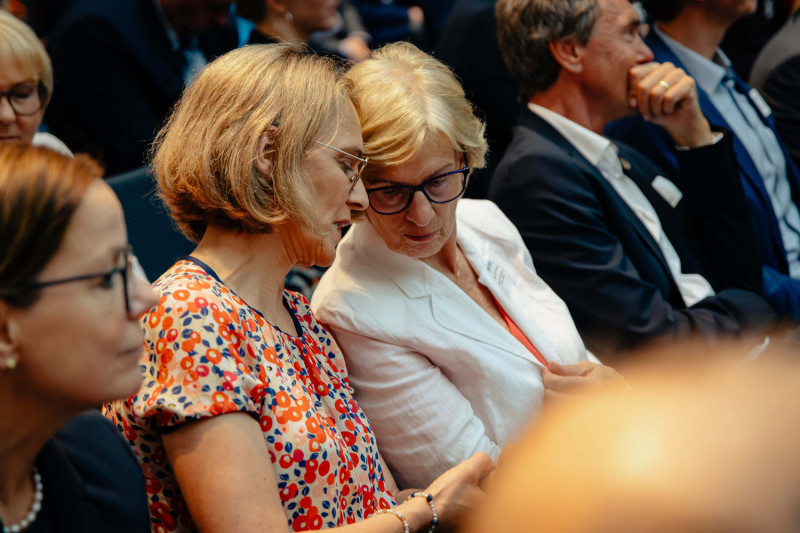
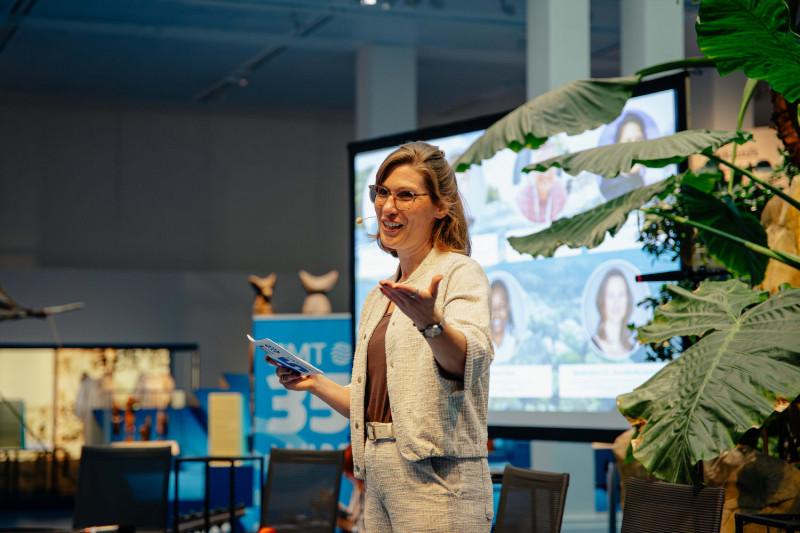
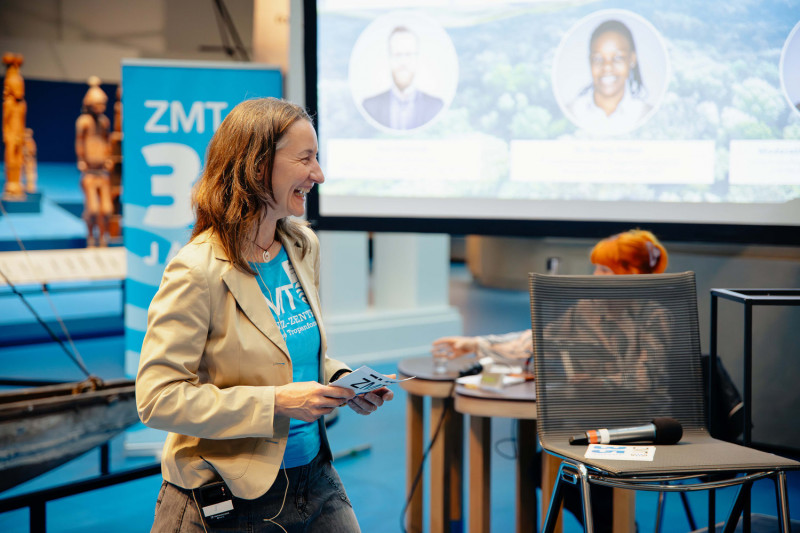
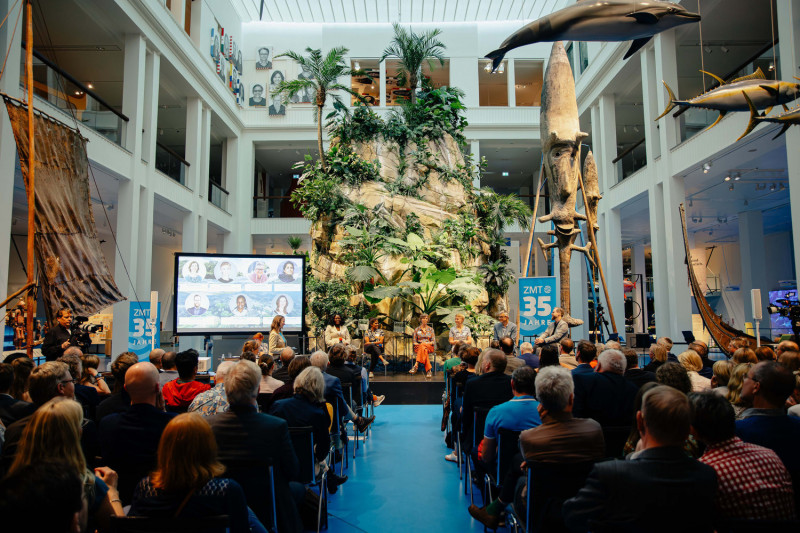
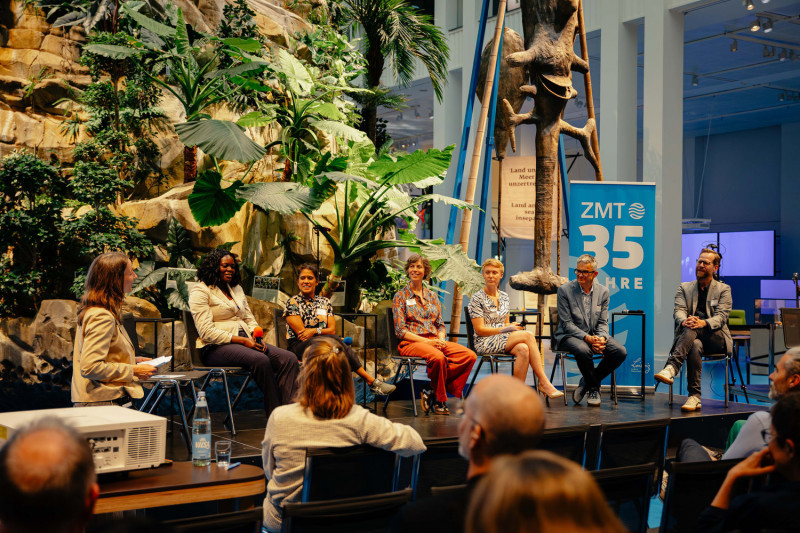
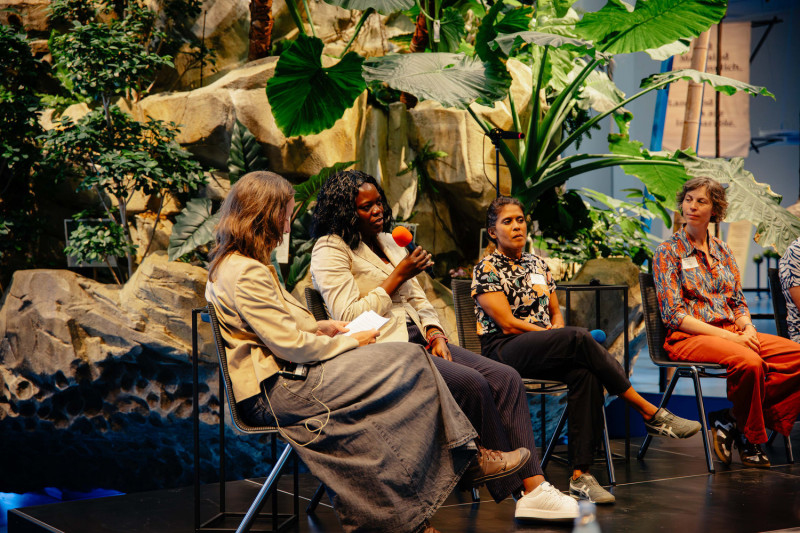
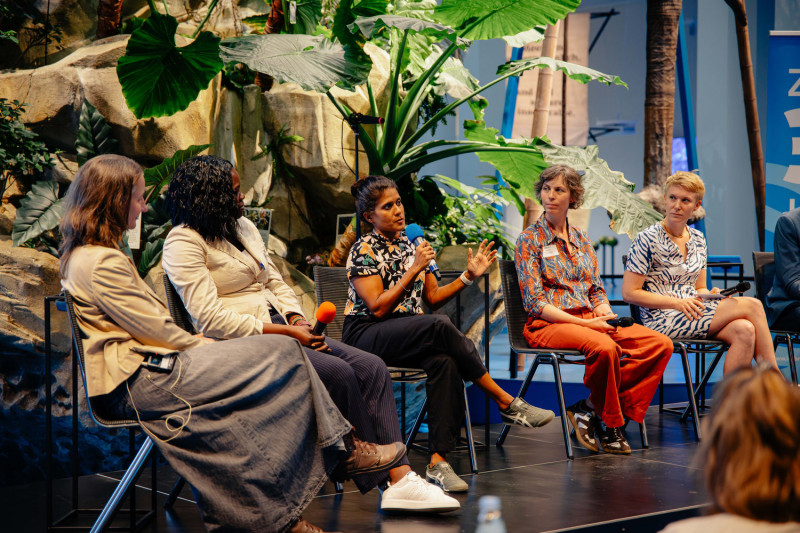
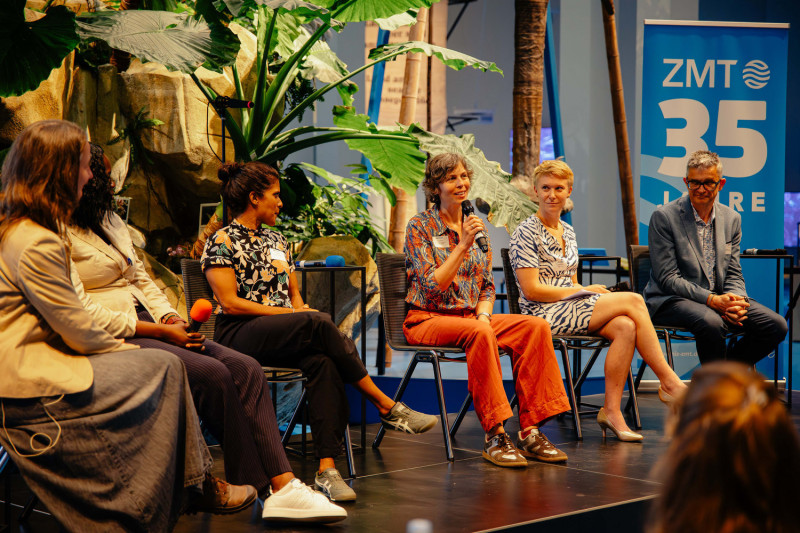
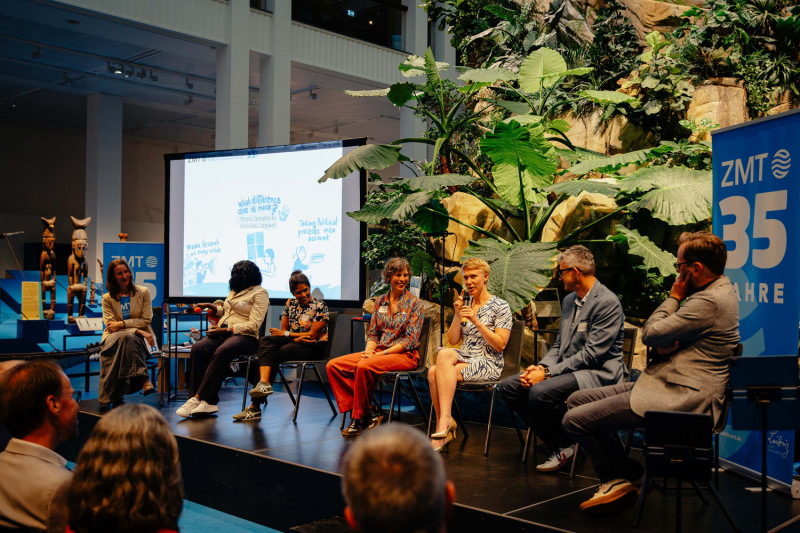
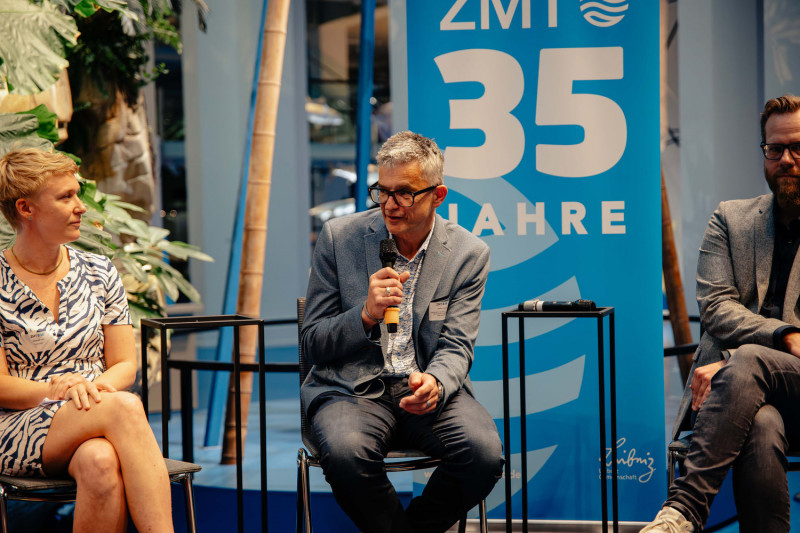
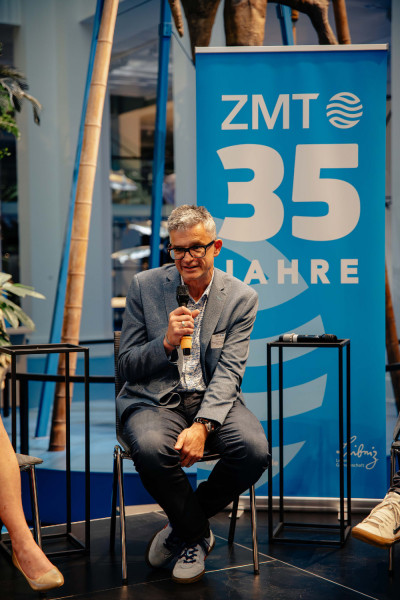
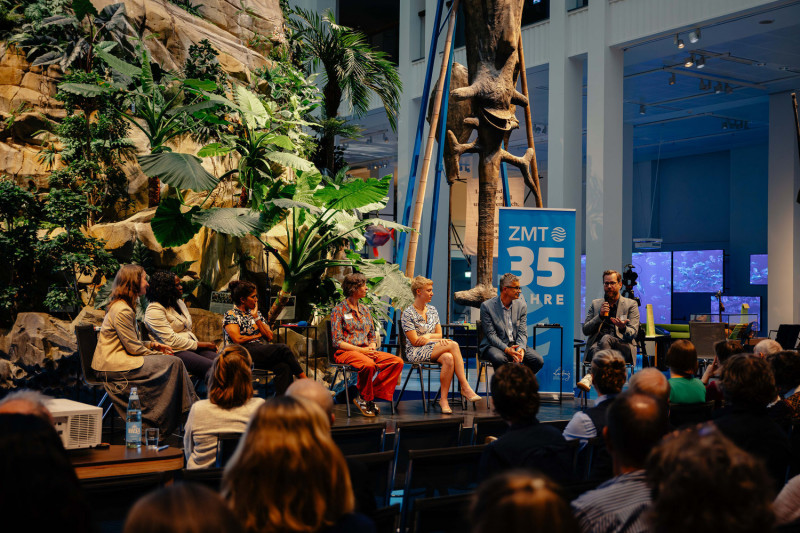
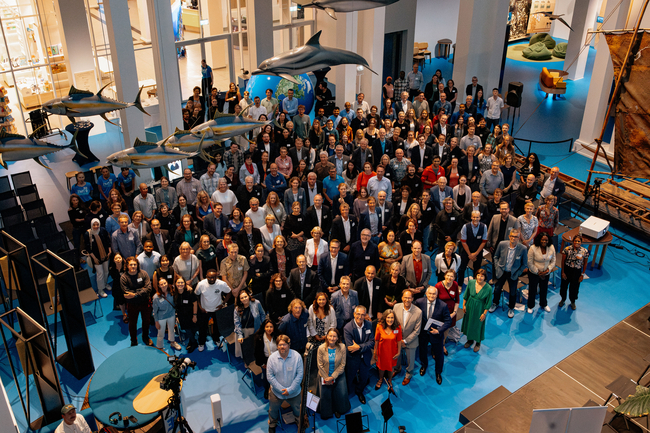
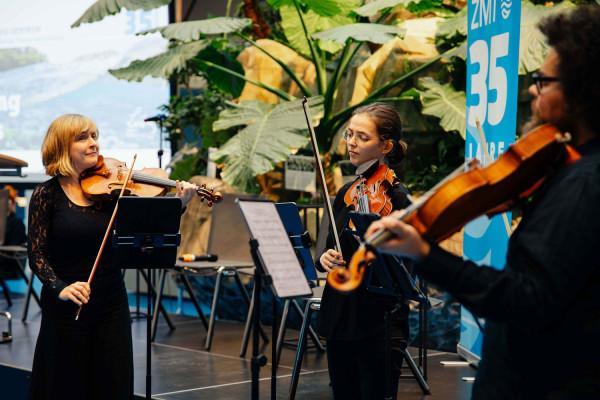
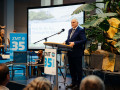
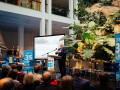
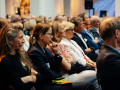
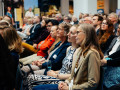
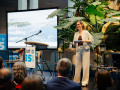
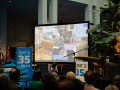
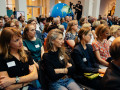
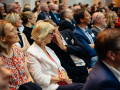
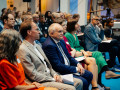
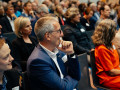
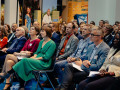
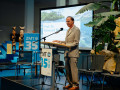
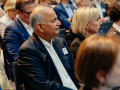
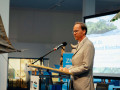
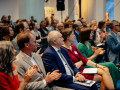
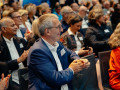
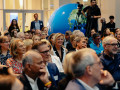
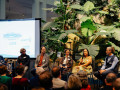
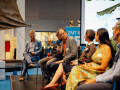
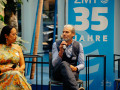
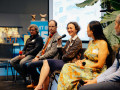
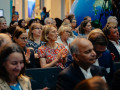
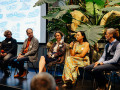
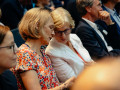
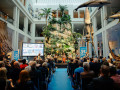
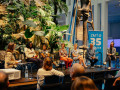
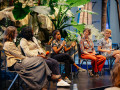
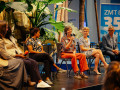
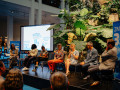
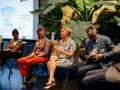
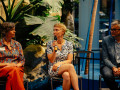
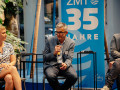
Around 200 international guests from the worlds of science, politics, business and society gathered at the Übersee-Museum in Bremen on 3 June 2026 to celebrate the 35th anniversary of the Leibniz Centre for Tropical Marine Research (ZMT) in Bremen. Highlights of the ceremony included welcoming addresses by Dorothee Bär, Federal Minister for Research, Technology and Space, Karolina Kumar, State Councillor to the Senator for the Environment, Climate and Science of the State of Bremen, and the President-elect of the Leibniz Association, Prof. Dr. Dr. h.c. Christoph Schmidt. Two high-profile panel discussions featuring international experts addressed current and future changes in the oceans and their interactions with societies. A key focus was also the relevance of cooperative tropical marine research, which the ZMT has successfully pursued and continues to expand since its founding.
Federal Minister for Research Dorothee Bär emphasises the important role of ZMT: “Marine tropical research is attracting increasing public interest, not only from a scientific and ecological perspective but also in terms of security policy and the economy. This is what makes the expertise of the Leibniz Centre for Marine Tropical Research so valuable. Here, researchers are not only studying the world’s most productive coastal ecosystems, which also provide the basis of livelihood for more than 400 million people. They are also pioneering future fields of climate and marine research that could be key to important innovations: for example, in the production of algae-based food from the sea or in CO2 capture and storage. All of this contributes to Germany’s High-Tech Agenda, through which we aim to assume technological leadership in selected key technologies. Joint projects with countries such as Brazil, Colombia and Malaysia, or with the islands of the South Pacific, demonstrate that the ZMT’s projects are highly recognised internationally."
The founding of the Bremen research institute in 1991 by the dedicated marine scientist and policy adviser Prof. em. Dr. Dr. h.c. Gotthilf Hempel was supported by the Bremen Senate from the very beginning. Since 2009, the ZMT has been part of the Leibniz Association – a milestone in the institute’s history that led to a new organisational expansion. Since then, the ZMT has been jointly funded by the federal government and the state of Bremen.
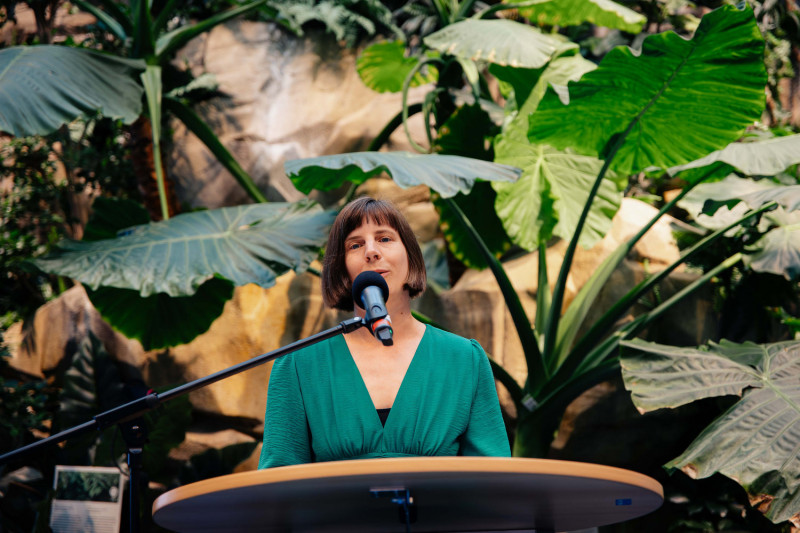
Karolina Kumar, State Councillor to the Bremen Senator for the Environment, Climate and Science: “The decision to found the ZMT in the early 1990s and to establish tropical coastal research in Bremen was anything but a foregone conclusion. Today, the founding vision is more relevant than ever: climate change, human interference in ecosystems and the loss of biodiversity can only be understood in a global context – and can only be tackled together. The institute has since developed into an internationally recognised beacon of tropical research.”
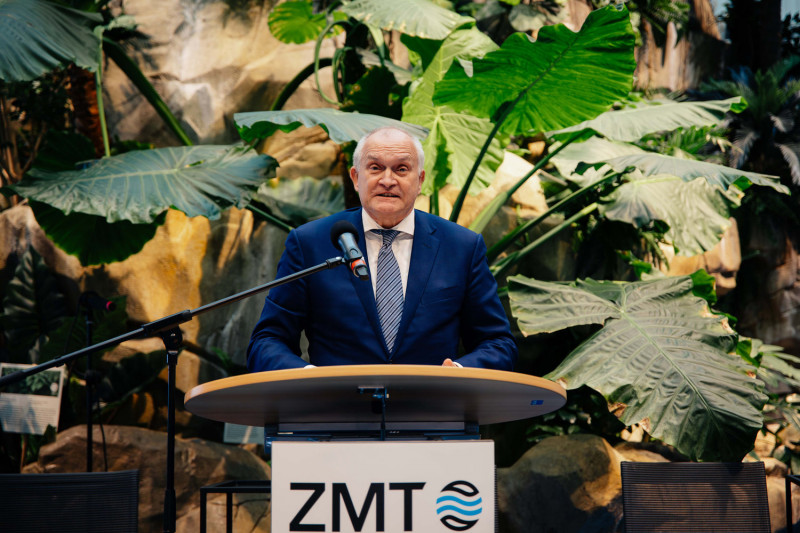
“The ZMT embodies the strengths of the Leibniz Association in a unique way: it combines scientific excellence with interdisciplinary and transdisciplinary collaboration, international partnerships and high societal relevance. The ZMT is thus a prime example of an institute whose research has an impact far beyond the realm of science,” says Prof. Dr. Dr. h.c. Christoph M. Schmidt, President-elect of the Leibniz Association, in his welcoming address.
Excellence, relevance and effectiveness of collaborative research
With the “Bremen Criteria”, the ZMT has committed itself since its early years to high standards in its own research collaboration with countries in the Global South. This framework has been further developed to facilitate ongoing cooperation on an equal footing with partner institutions in tropical countries.
Excellence, relevance and effectiveness in cooperative research in tropical coastal regions are more important today than ever before when it comes to addressing current challenges such as climate risks and food security. A key element of this is the support for early-career researchers, which is continuously integrated into all ZMT projects. Over three decades, this has given rise to, not least, global scientific networks and sustainable relationships with research institutions in more than 50 tropical countries.
New perspectives: Earth system models for tropical coastal regions
However, in light of climate change, the interdisciplinary institute is also expanding strategically – for instance, in the field of modelling. As tropical coastal ecosystems have so far been poorly integrated into global climate models, the ZMT is now establishing the new interdisciplinary research platform TropECS (Modelling socio-economic dimensions across Tropical Coastal Ecosystems and the Earth System).
This highly sophisticated modelling approach aims to link natural and social dynamics – from physical and ecological processes to socio-economic interactions. The aim is to significantly enhance the reliability of climate projections, facilitate evidence-based policy decisions and promote resilience for coastal areas in the Global South.
For Prof. Dr Raimund Bleischwitz, ZMT’s Scientific Director since 2022, this is a path that generates the practical knowledge needed for future action and enables further collaboration, including with stakeholders from business and politics.
“Using findings from TropECS, communities in tropical countries can understand climate change and the resulting changes in the ocean and coastal ecosystems, and better assess future risks. We need a combination of methods comprising field research, laboratory work, modelling and sustainable solutions developed with and for local communities. Ultimately, ZMT stands for a new understanding of science that combines excellence with relevance and societal impact.”
ZMT has been in existence for 35 years – a research institute that now covers the entire tropical belt. As an internationally recognised partner in tropical research, it is constantly expanding its research activities and fields of work in response to current and future challenges, building expertise and structures to advance science and the sustainable management of tropical coastal areas. A new, modern and sustainable building to house all of this is already being planned in Bremen.
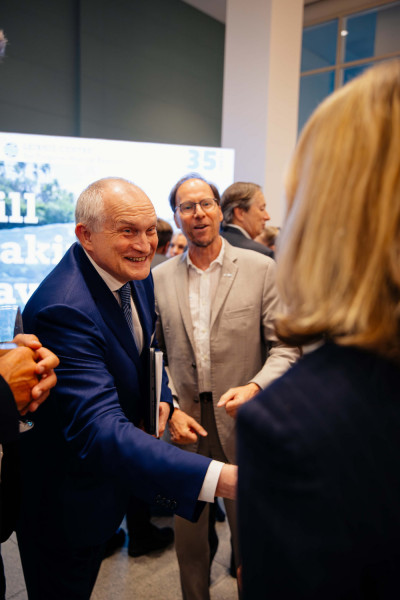
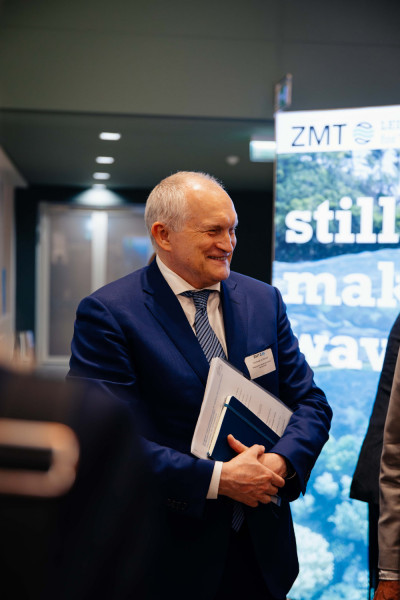
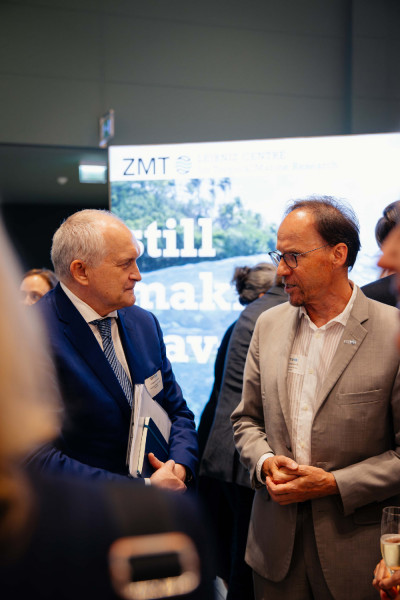
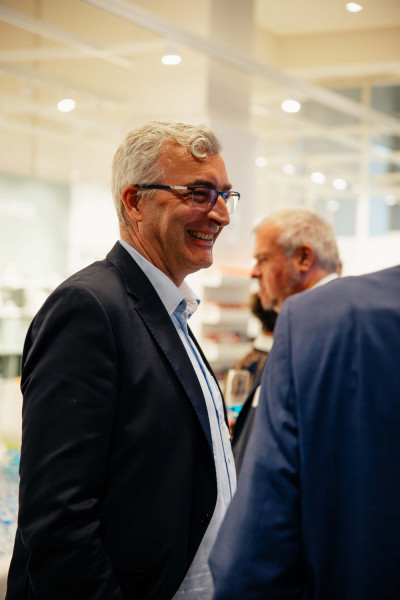
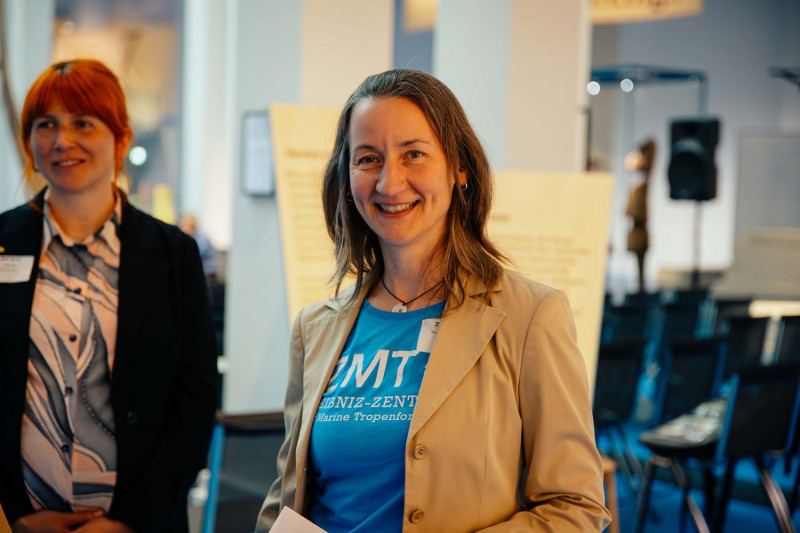
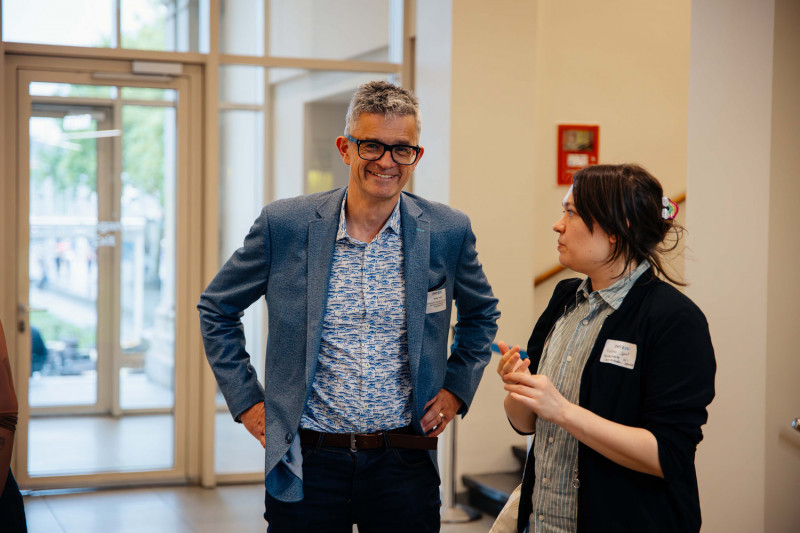
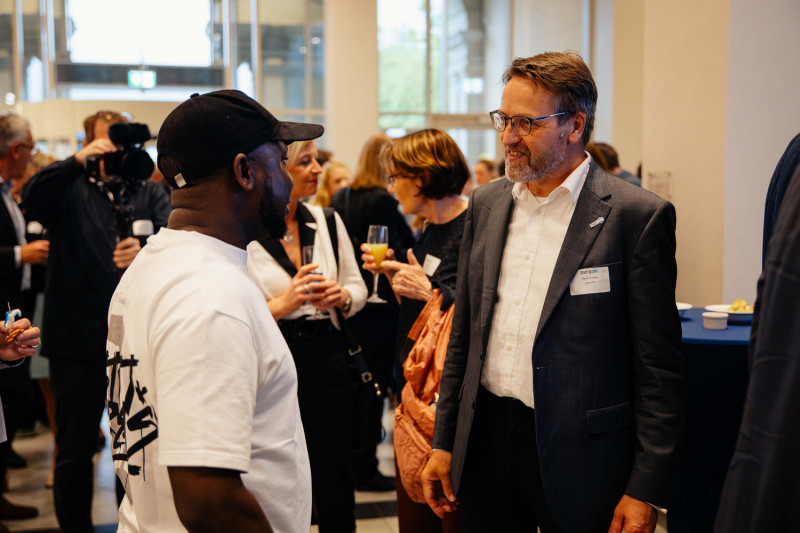
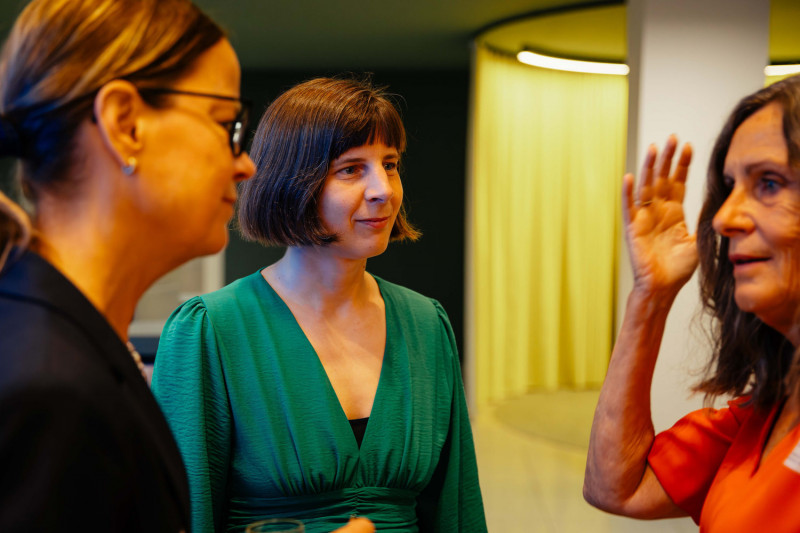
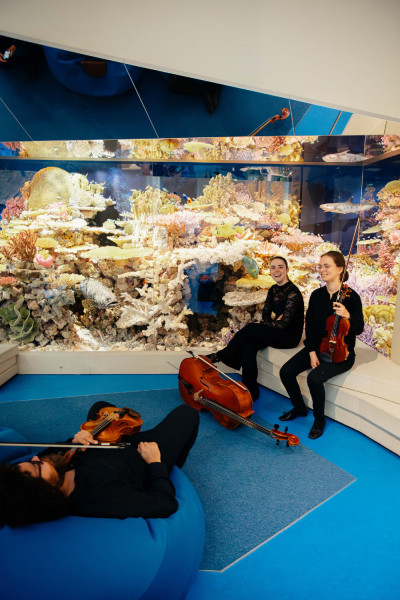
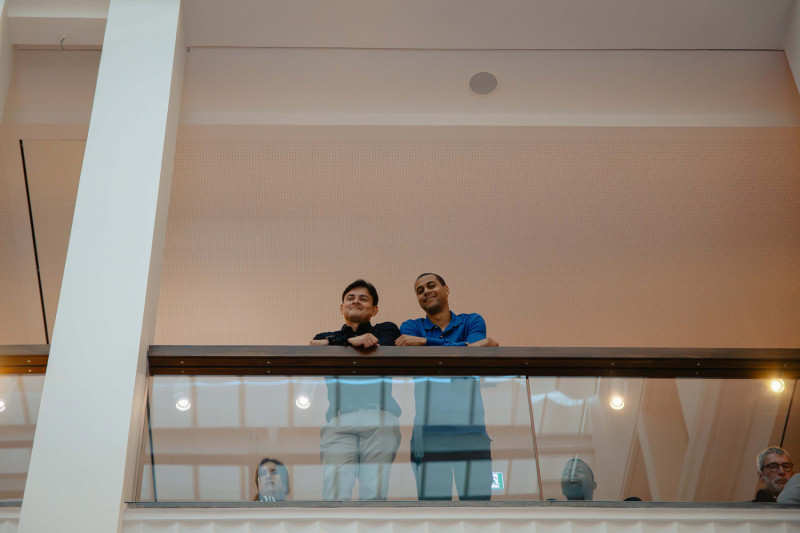
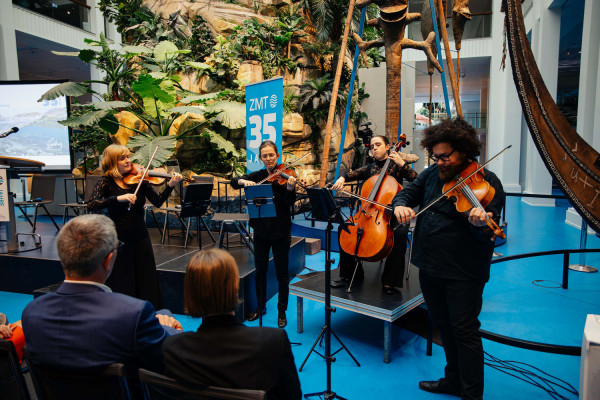
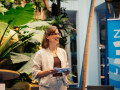
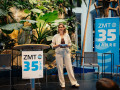
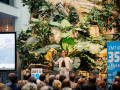
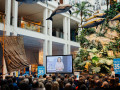
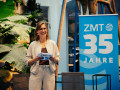
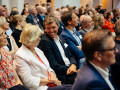
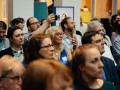
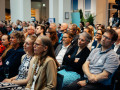
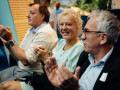
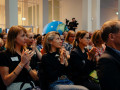
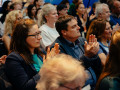
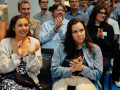
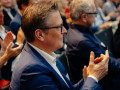
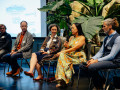
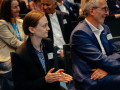
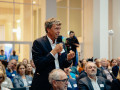
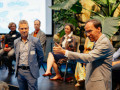
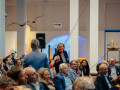
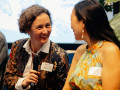
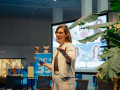
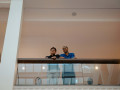
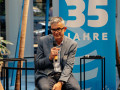
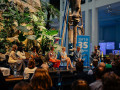
Guests arriving for the 35th anniversary at the Übersee-Museum Bremen | Photos: Shanice Allerheiligen, ZMT
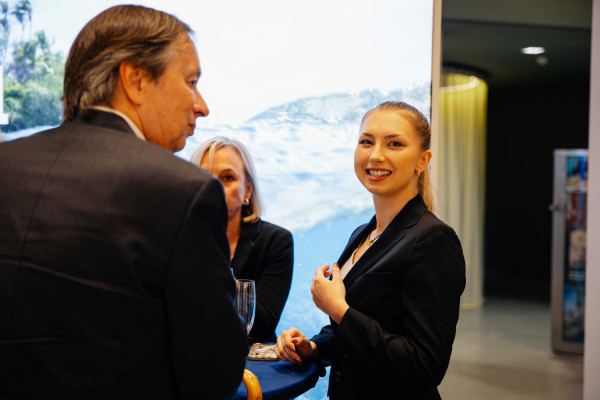
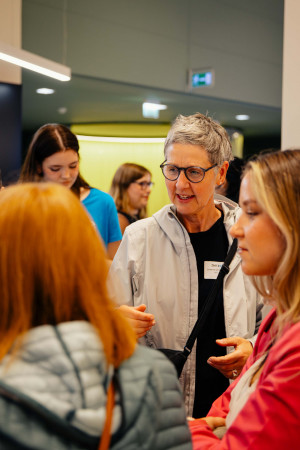


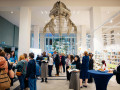
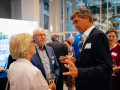
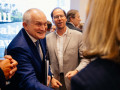
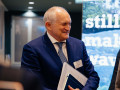
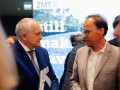
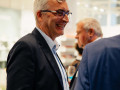

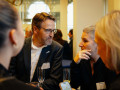
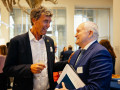
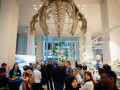
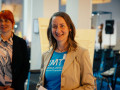
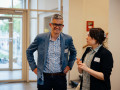
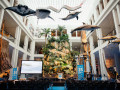
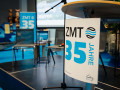
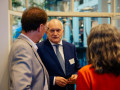
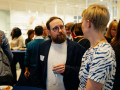
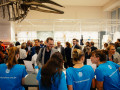
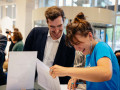
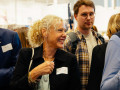
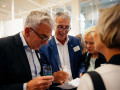
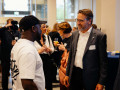
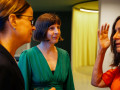
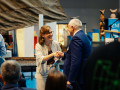
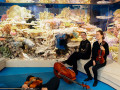
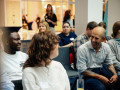
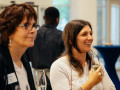
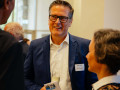
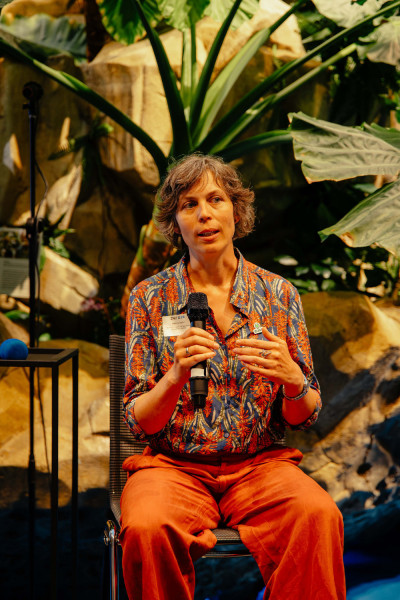
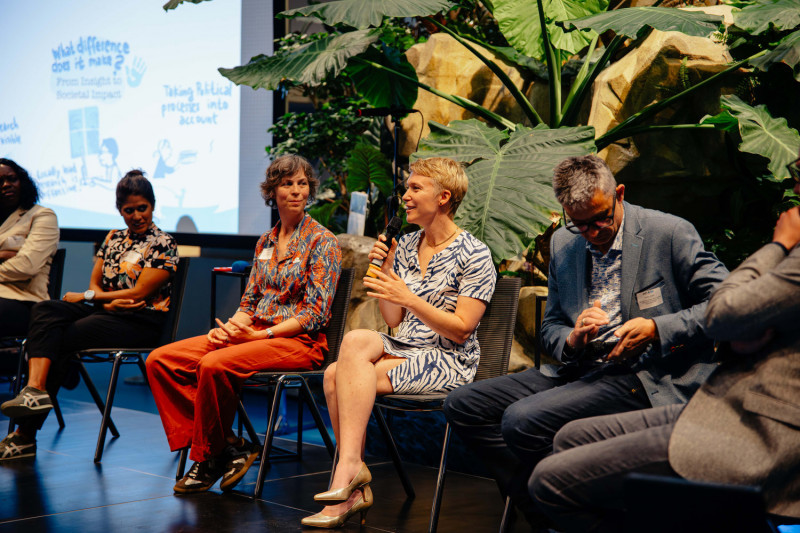
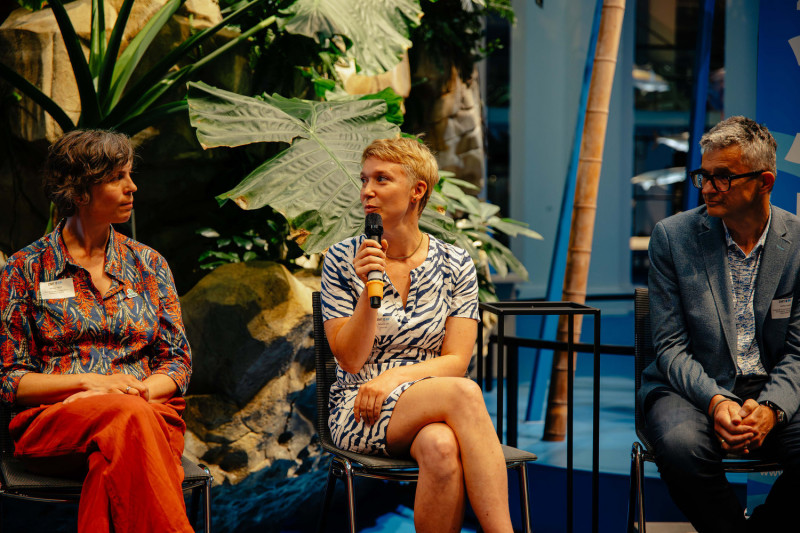
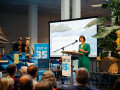
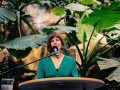
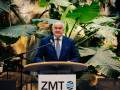
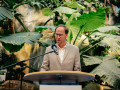
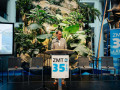
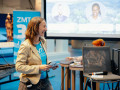
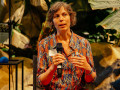
Still Making Waves - ZMT's 35th anniversary event | Photos: Shanice Allerheiligen, ZMT









 Programme Areas
  Working Groups
  Other relevant links