

In Focus
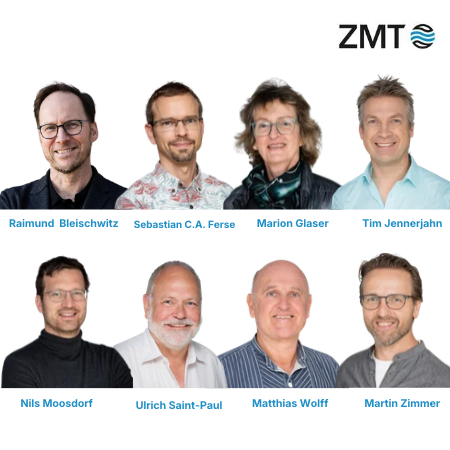
ZMT researchers rank among the world's top 2% most cited scientists
Several scientists affiliated with the Leibniz Centre for Tropical Marine Research (ZMT) are among the world's top 2% most cited researchers, according to the latest Stanford/Elsevier database. The August 2026 update recognises their scientific impact...
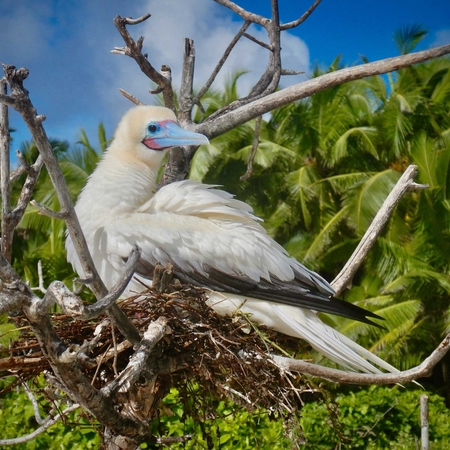
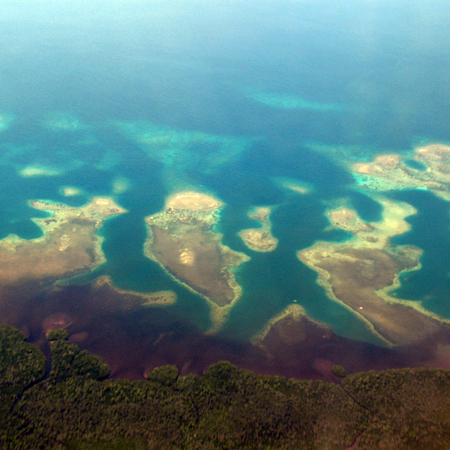
How seabirds, coral reefs and native forests can help tropical atoll islands adapt to sea-level rise
Protecting seabirds and restoring native vegetation could help tropical atoll islands adapt to rising sea levels according to a new study by an international research team led by Lancaster University, with contributions from the Leibniz Centre for...
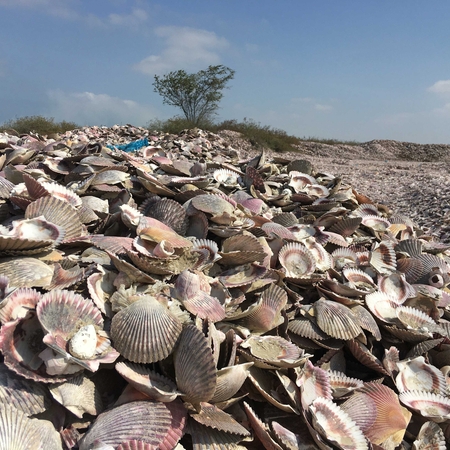
Harmful algal blooms in Peru: Who bears the consequences?
Algal blooms can have serious consequences for marine ecosystems and the economy. They occur when microscopic algae or cyanobacteria multiply rapidly under certain environmental conditions. In large numbers, they can turn the water green, brown, or...
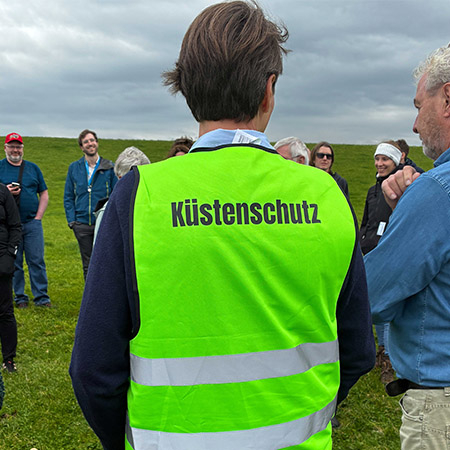
Protected by the dike: ZMT and METAscales Living Lab Wremen welcomed international visitors from 12 different countries at the North Sea Coast
A day of learning, exploring and exchanging across projects, disciplines and cultures
How can coastal communities become more resilient to climate change? That’s the question approximately 50 coastal experts and interested parties from 12 countries...
 Current Project
 Completed Project