

About me:
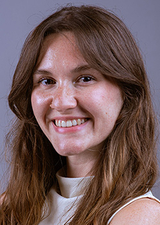
I am a doctoral researcher in the Future Oceans & Fisheries working group at ZMT and part of TropEcS. I am also a mamber of the ZMT team of early carrer researchers' reprensentatives.
In my PhD, I study how climate change and fishing together shape tropical marine food webs and the fisheries that coastal communities depend on. I am building a regional ecosystem model for Indonesia, and I will develop future fishing scenarios together with Indonesian stakeholders. I am especially interested in turning model results into knowledge that can support sustainable fisheries management.
Before joining ZMT, I worked at GEOMAR in Kiel on marine ecosystem modelling and data. I used the OSMOSE model to explore climate and fishing scenarios for the Humboldt Current (Humboldt-Tipping II) and the Western Baltic Sea. In the sea4Society-II project (CDRmare), I prepared datasets for modelling blue carbon habitats. During earlier internships, I gained field experience in biodiversity monitoring of coral reefs, seagrass meadows and marine mammals.
Current research:
Modelling Indonesian marine ecosystems and fisheries under climate and socio-economic change
My PhD research investigates how climate change and fishing pressure affect marine ecosystems and fisheries in Indonesia. To address this, I am developing a regional multispecies size-spectrum model (mizer) that represents the main commercial species and their food web. The model will be driven by climate projections from FishMIP and by fishing scenarios based on the Ocean System Pathways, co-developed with Indonesian stakeholders. The project aims to contribute the first Indonesian regional model to FishMIP and to assess how future climate and fishing may change the abundance, growth and catch of key species.